

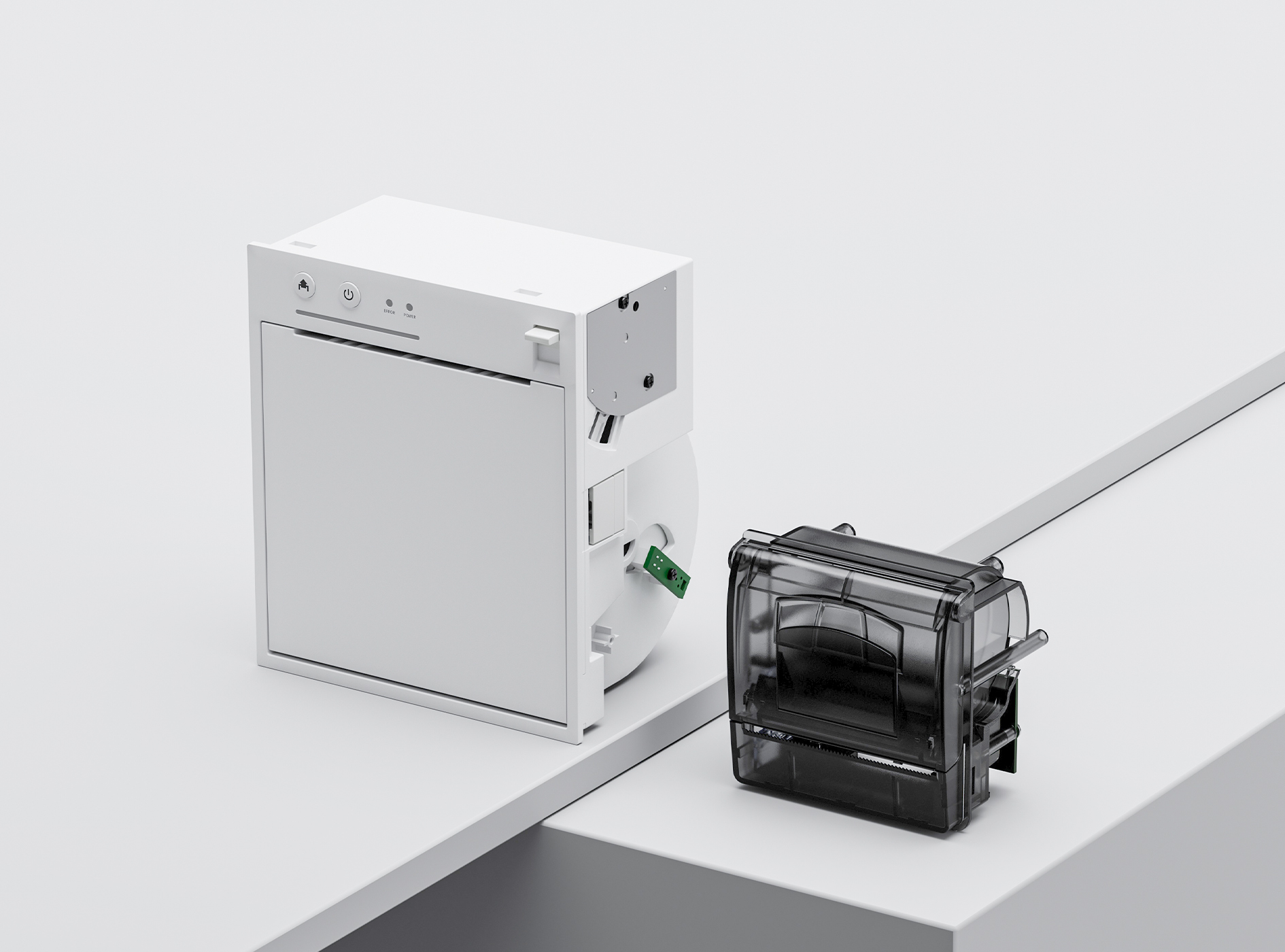
 80mm Receipt Printer
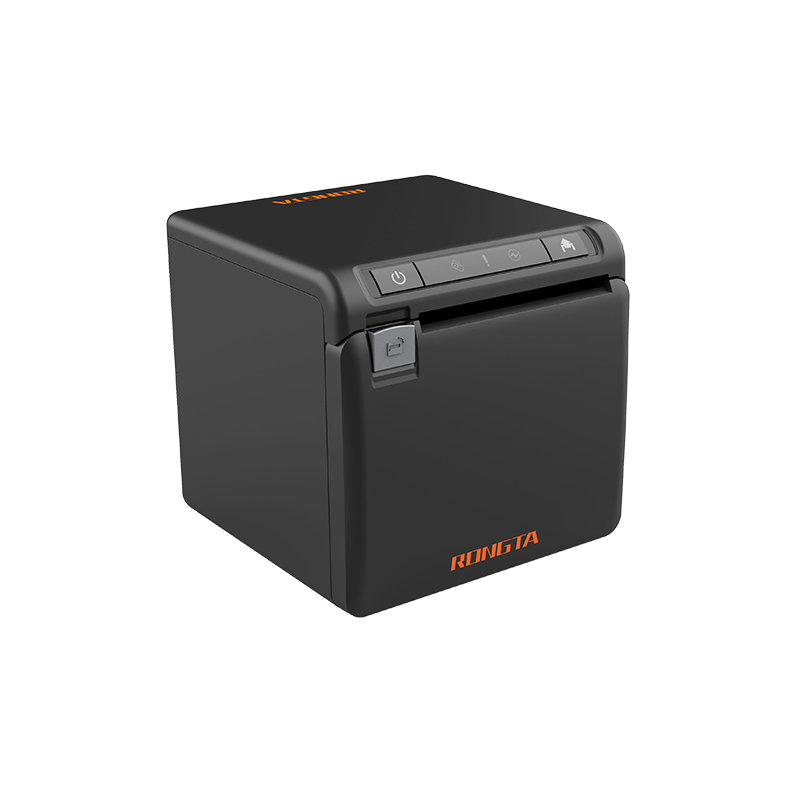 ACE H2
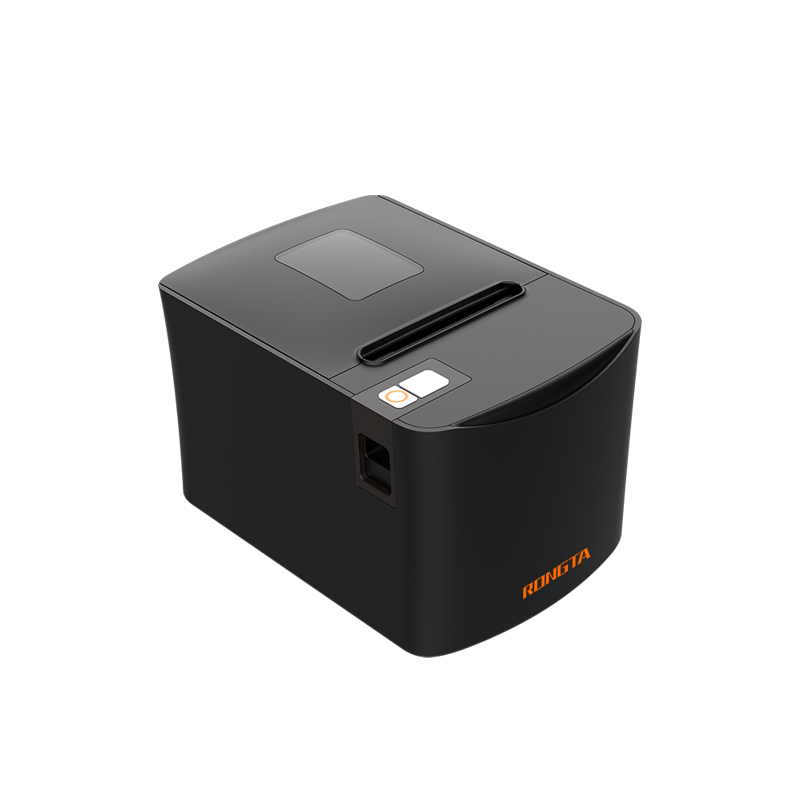 RP331
RP331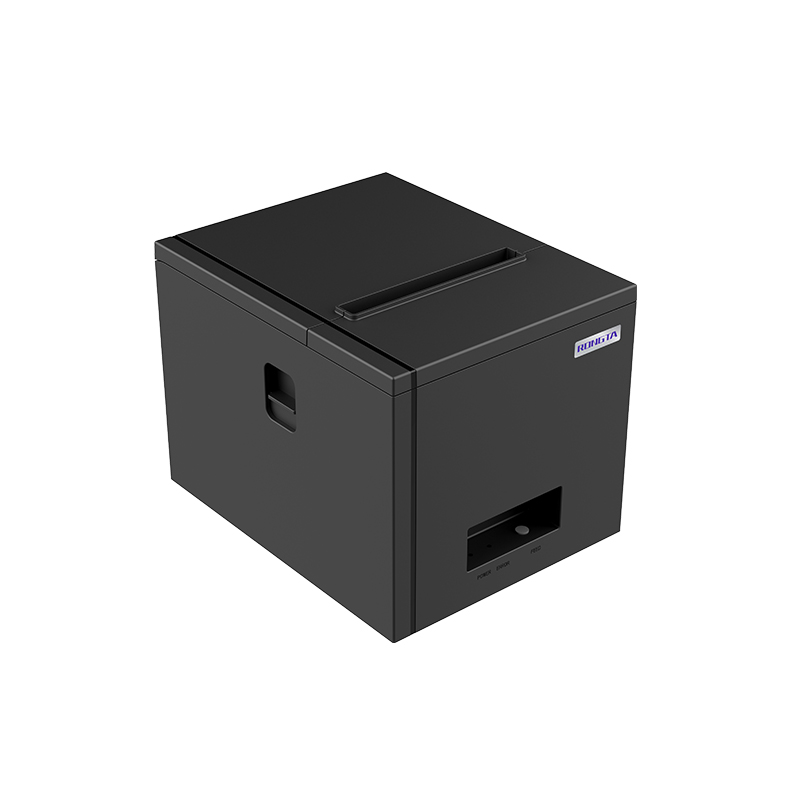 RP350
RP350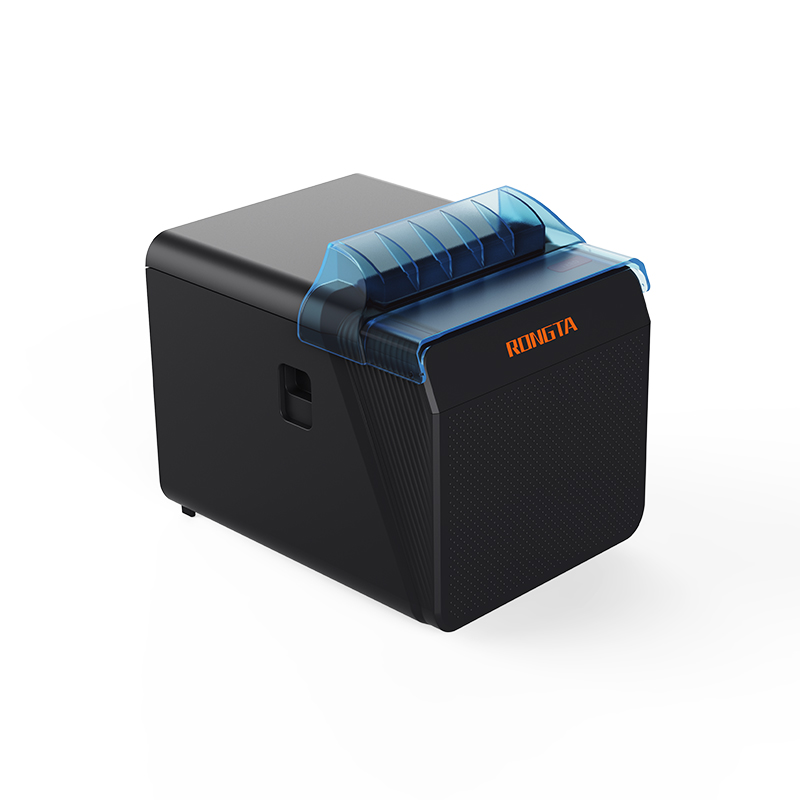 RP337
RP337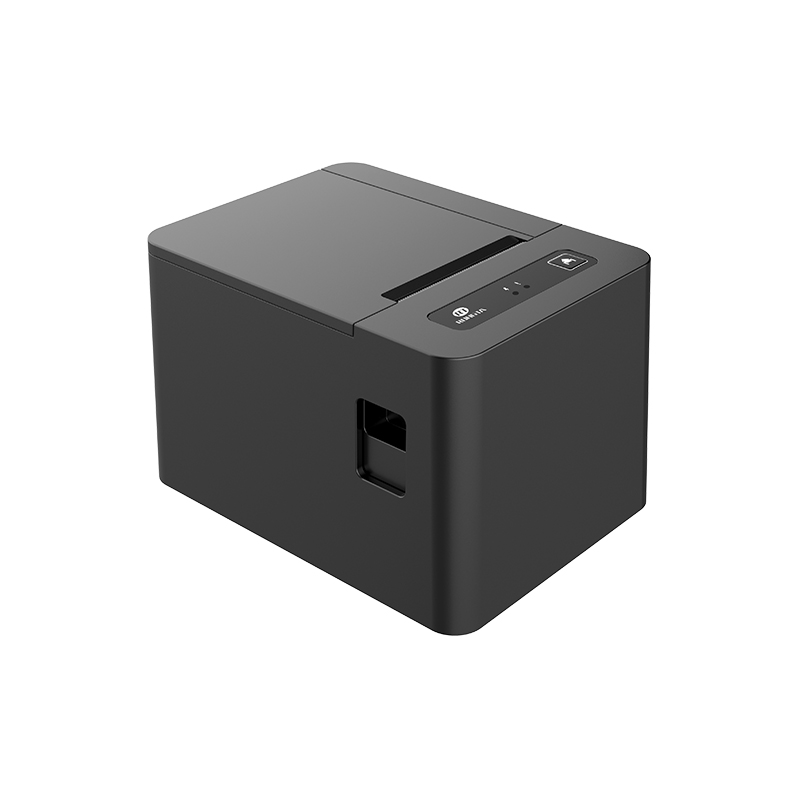 RP582
RP582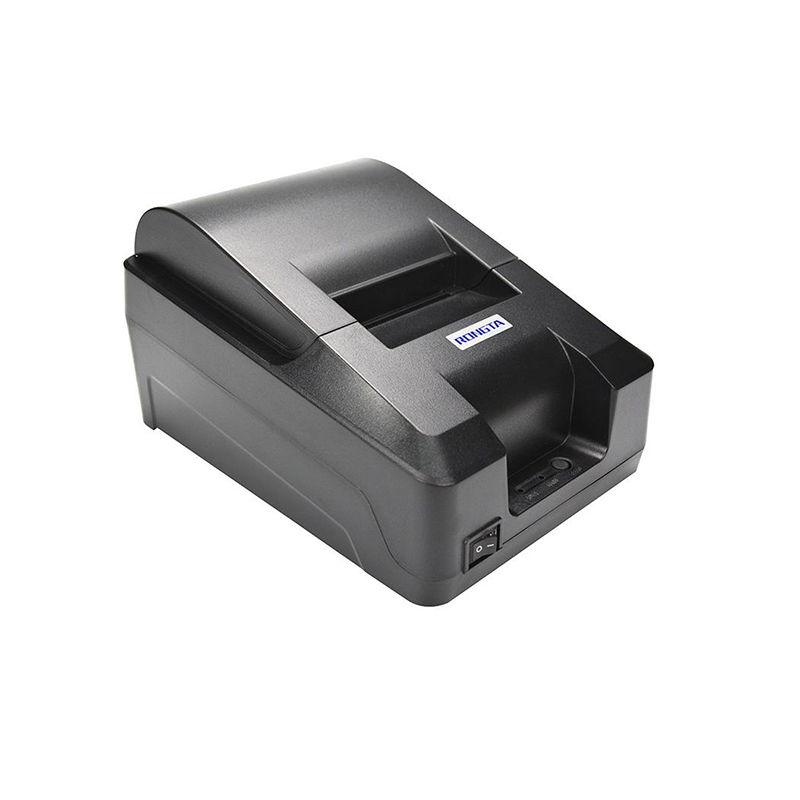 RP58A
RP58A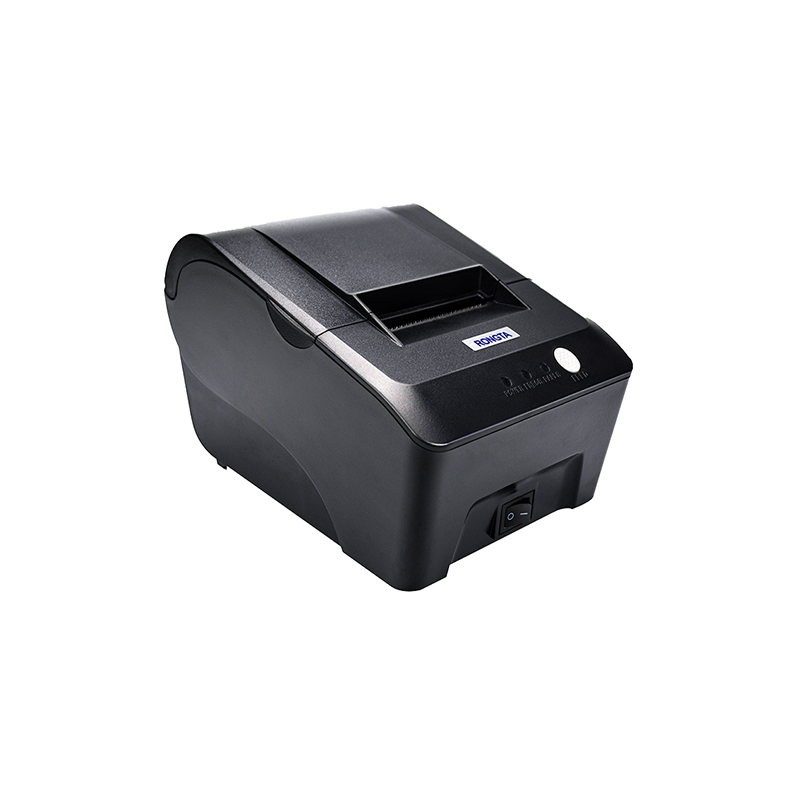 RP58E
RP58E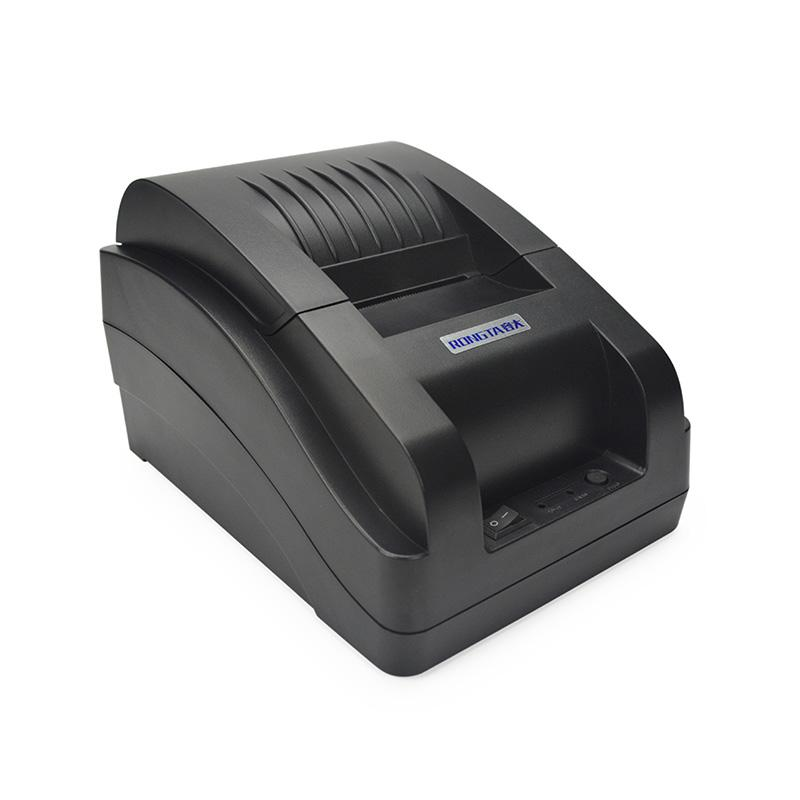 RP58B
RP58B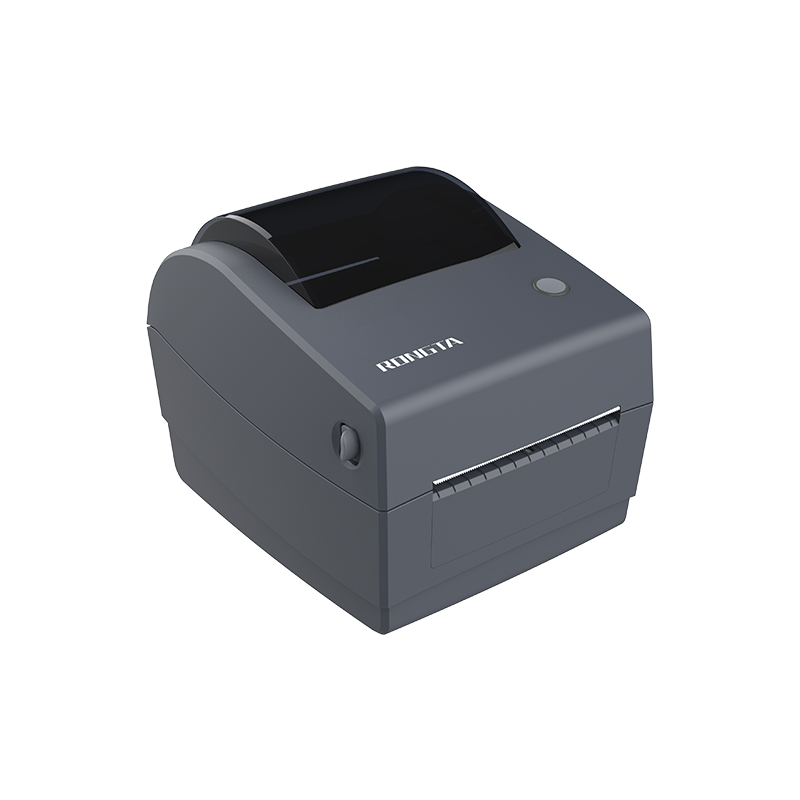 RP310D
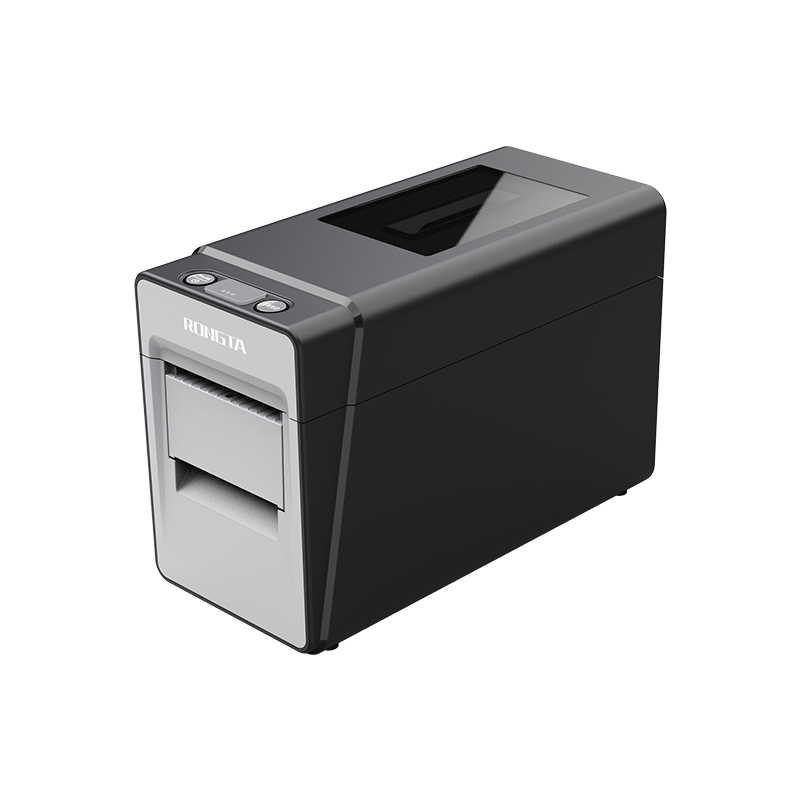 RP216
RP216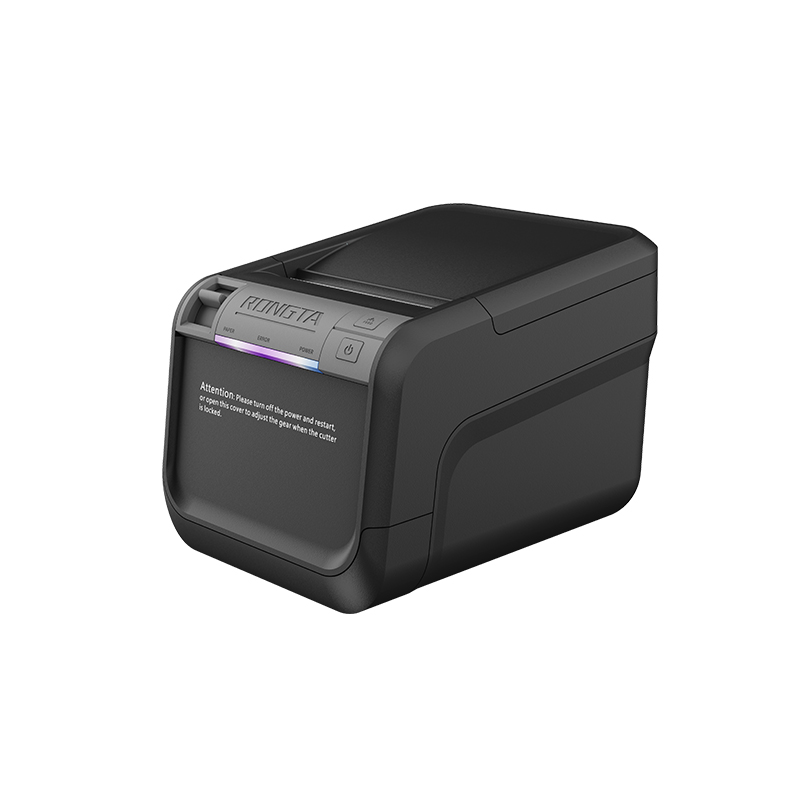 ACE V1S
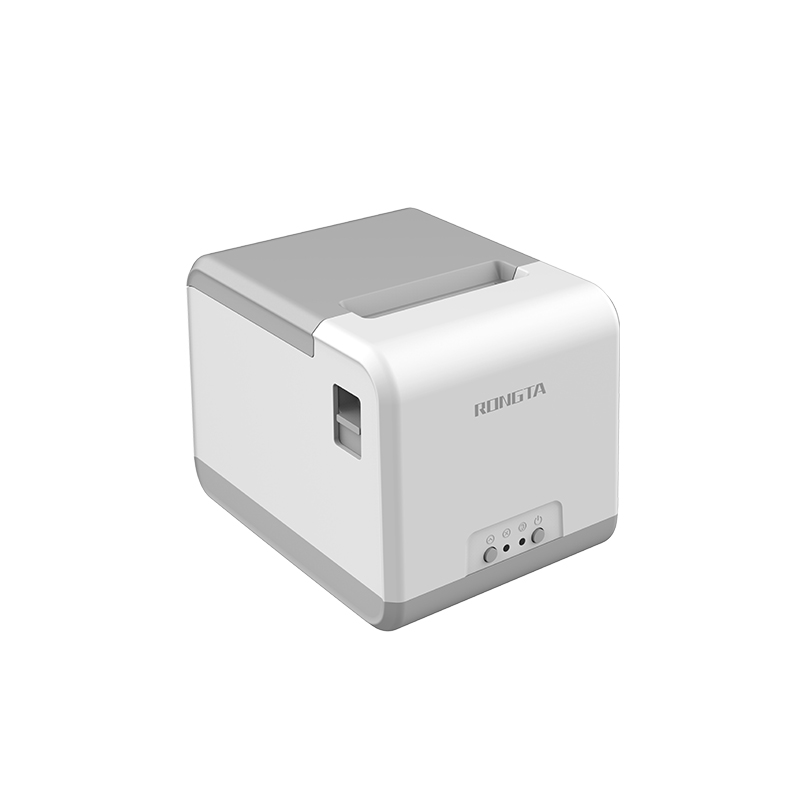 RP211
RP211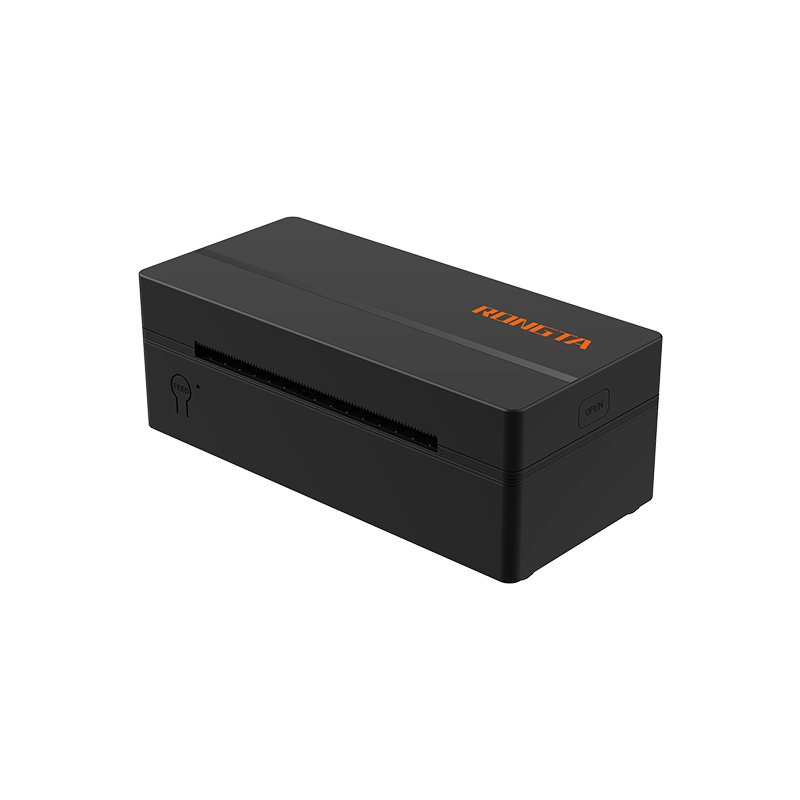 RP425
RP425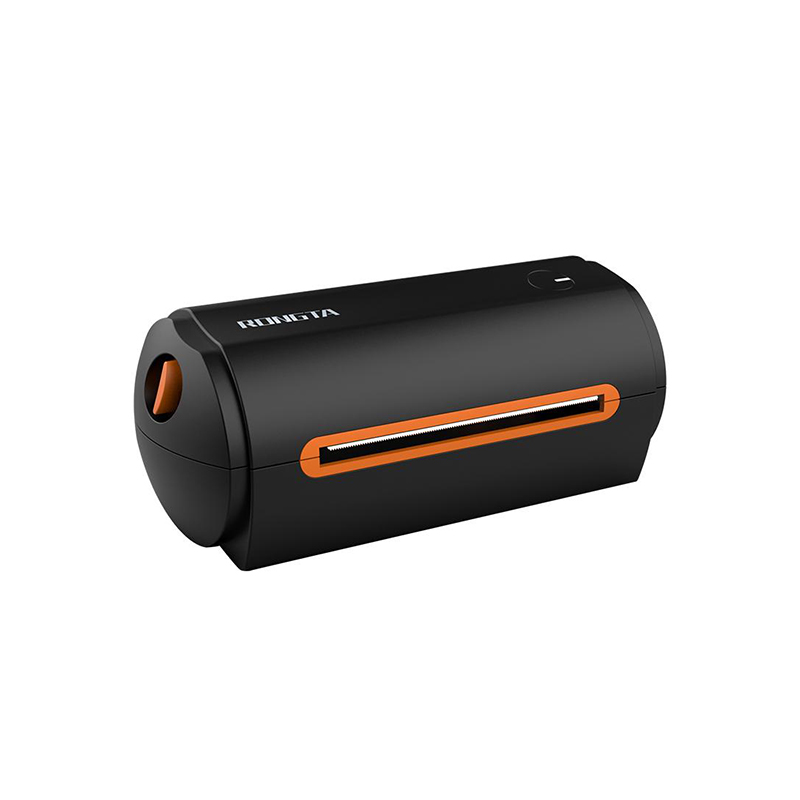 RP422
RP422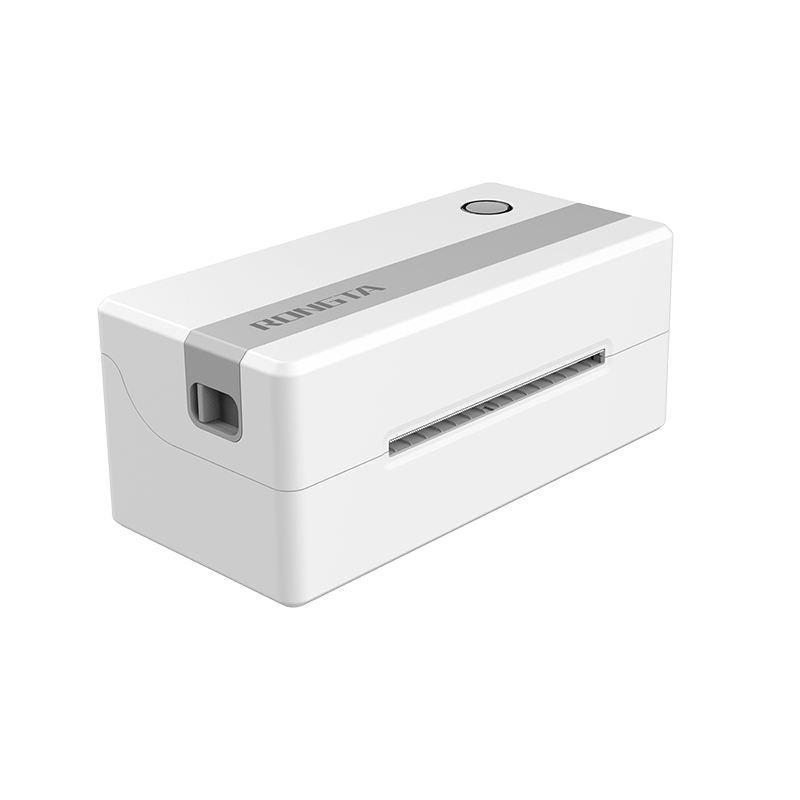 RP421A-Airprint
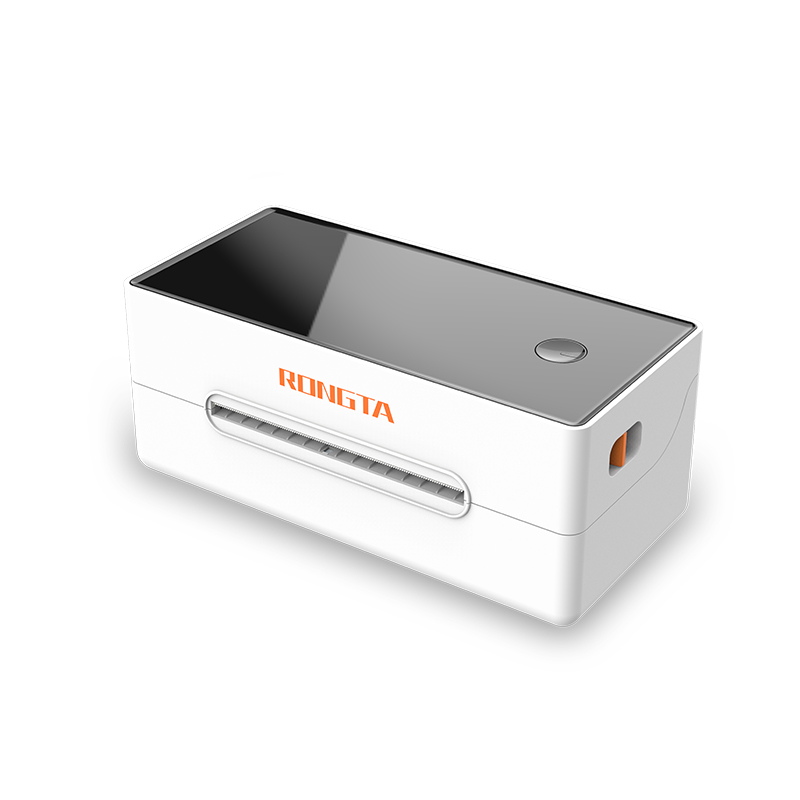 RP421
RP421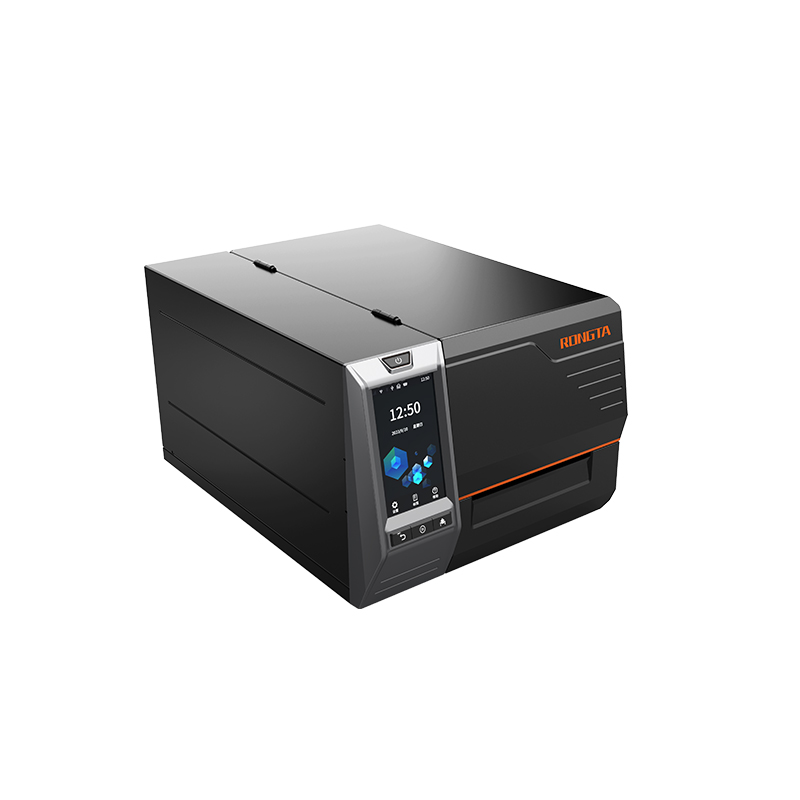 RI460/RI463/RI460r
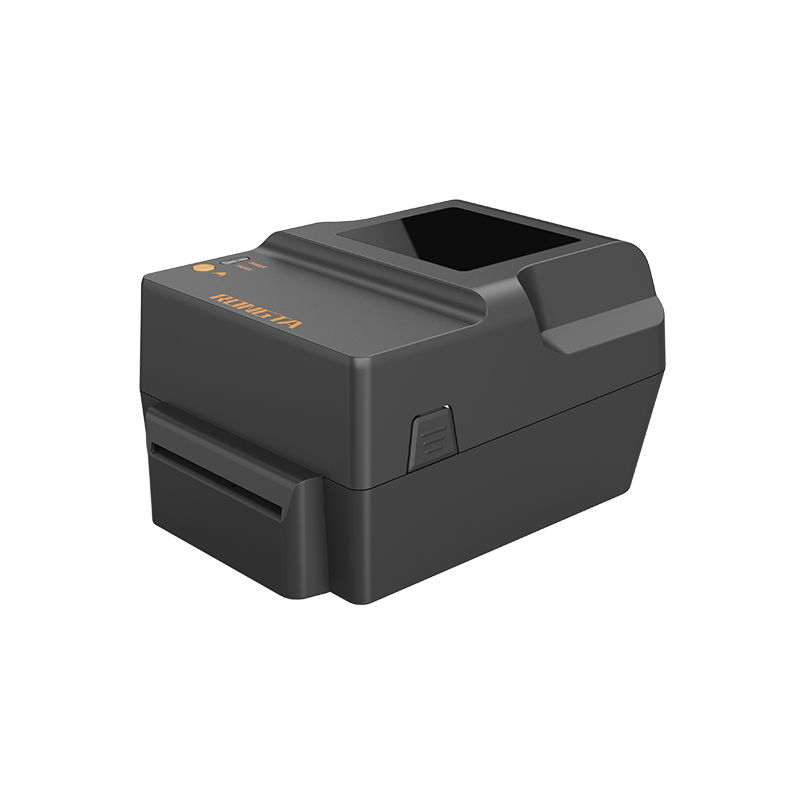 RP400H
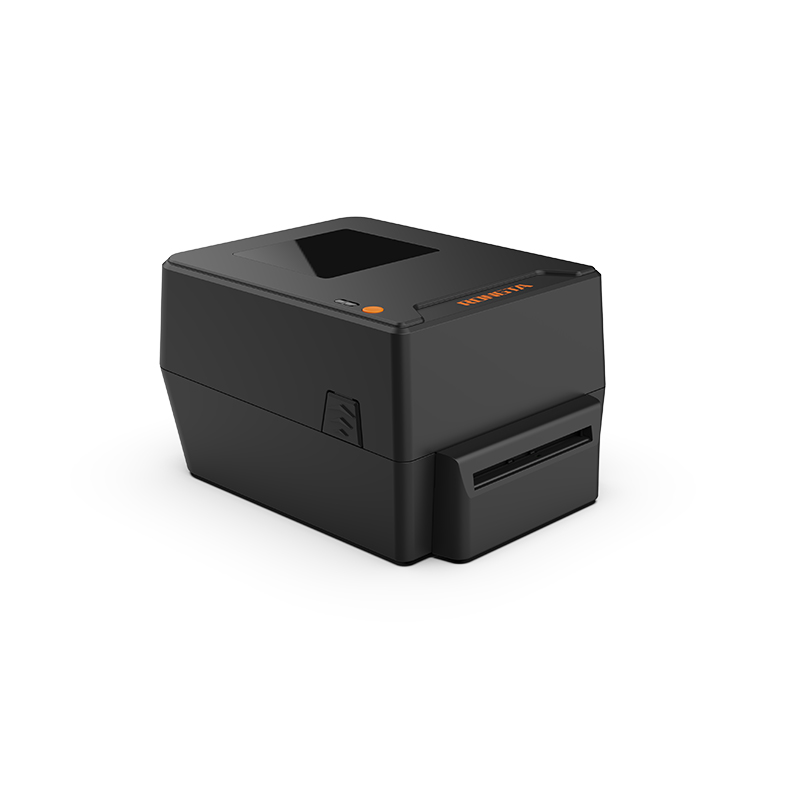 RP400A
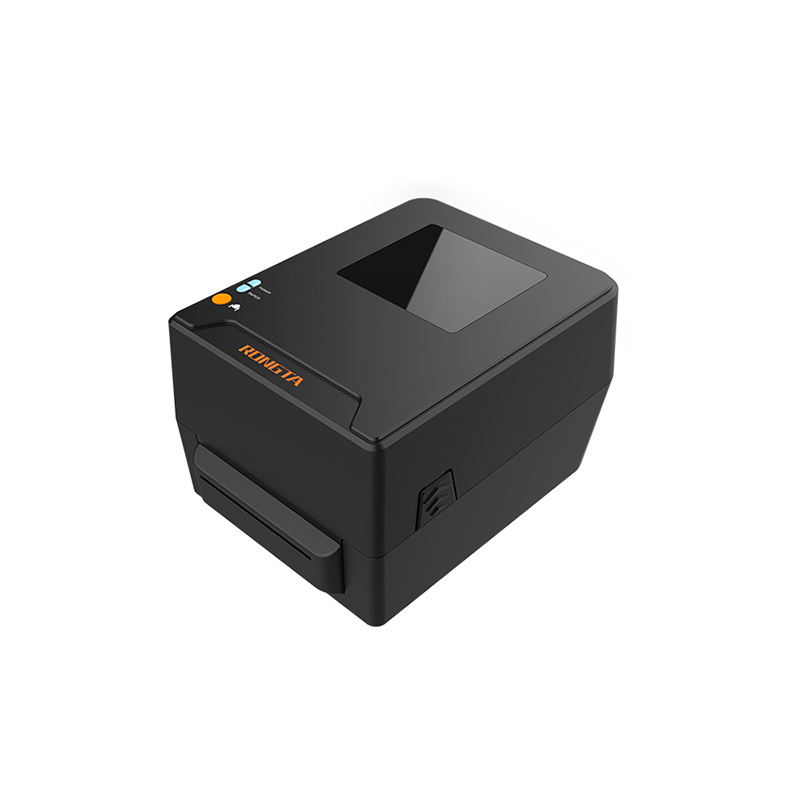 RPF412
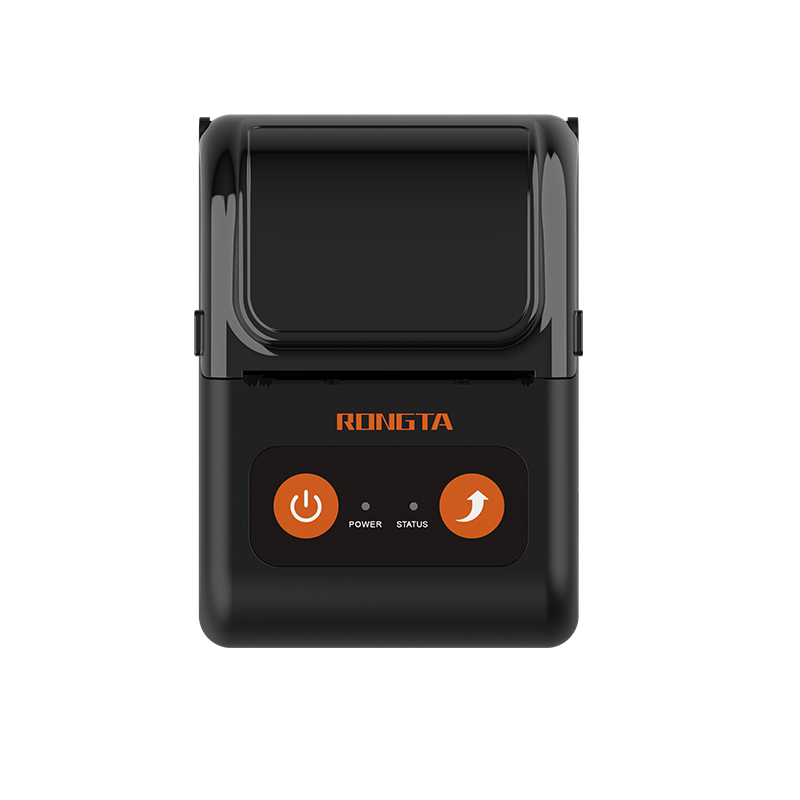 RPP02C
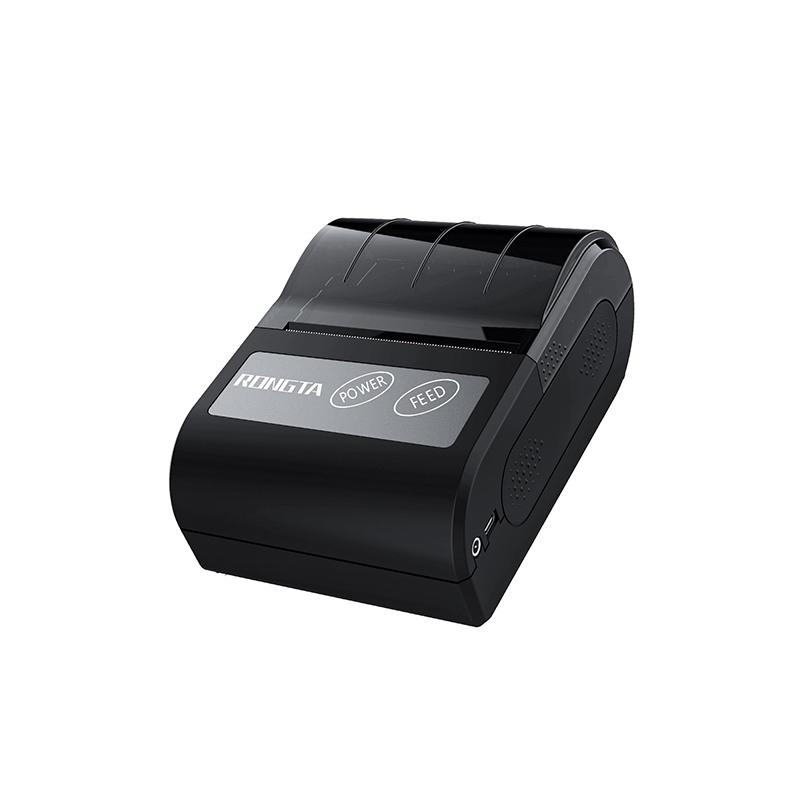 RPP02N
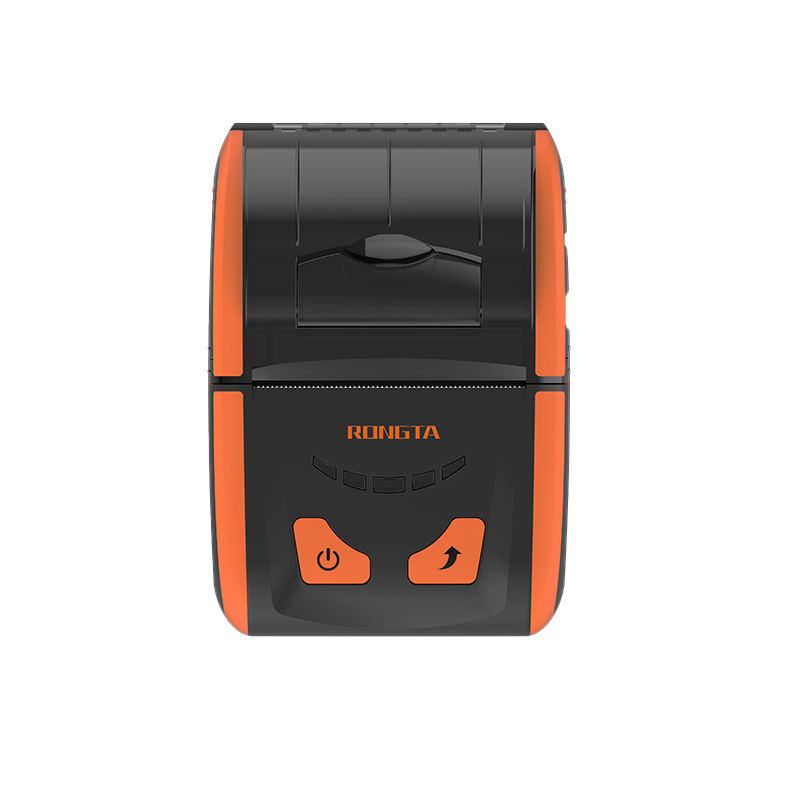 RPP200
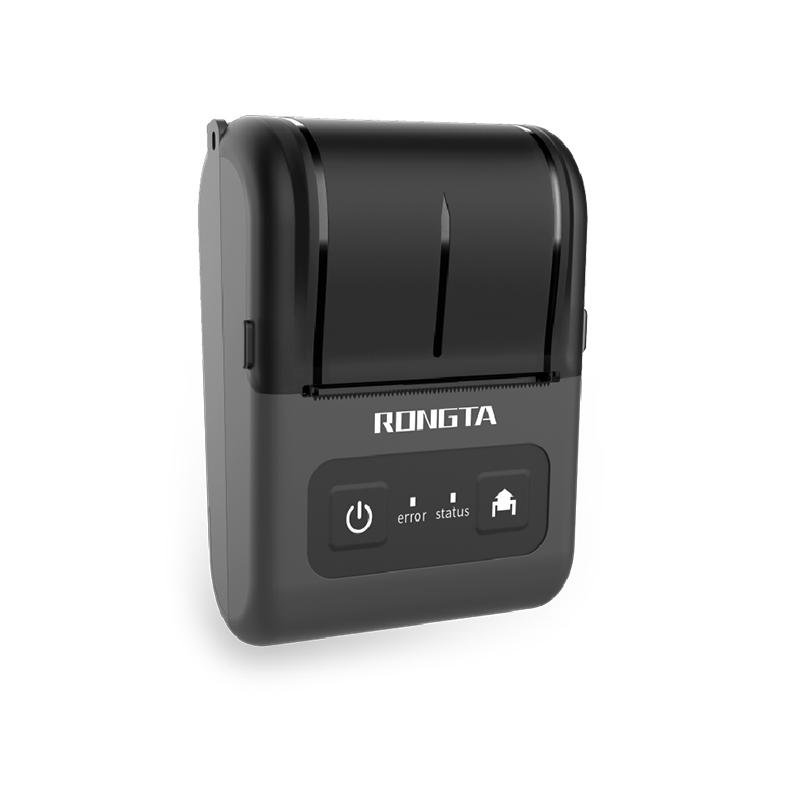 RPP02D
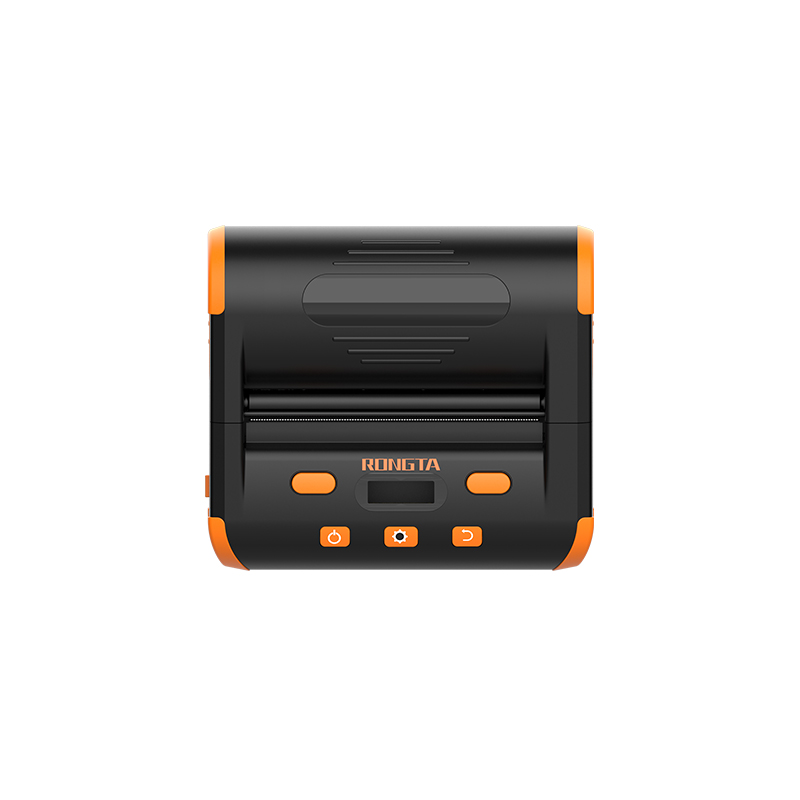 RPP04
RPP04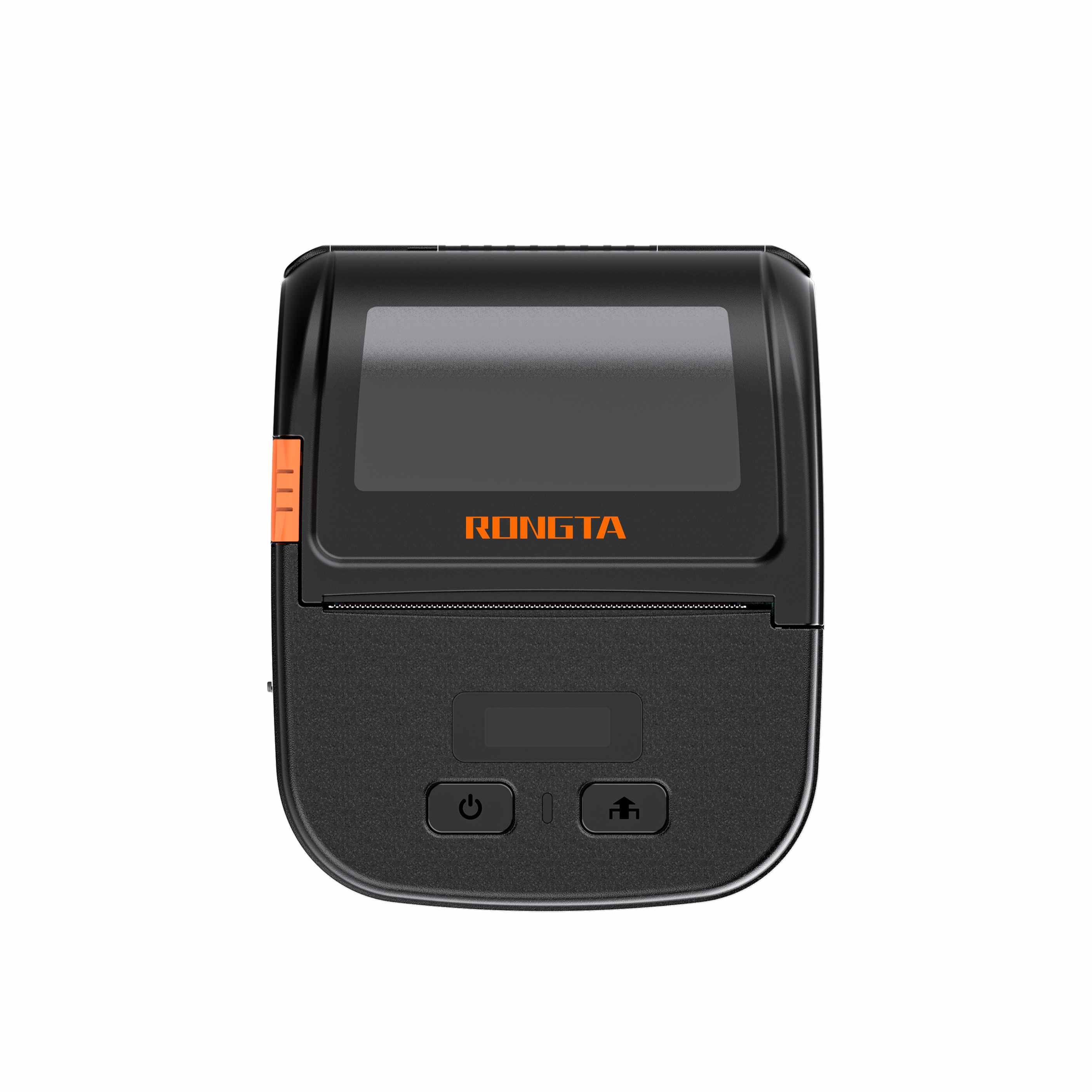 RPP30
RPP30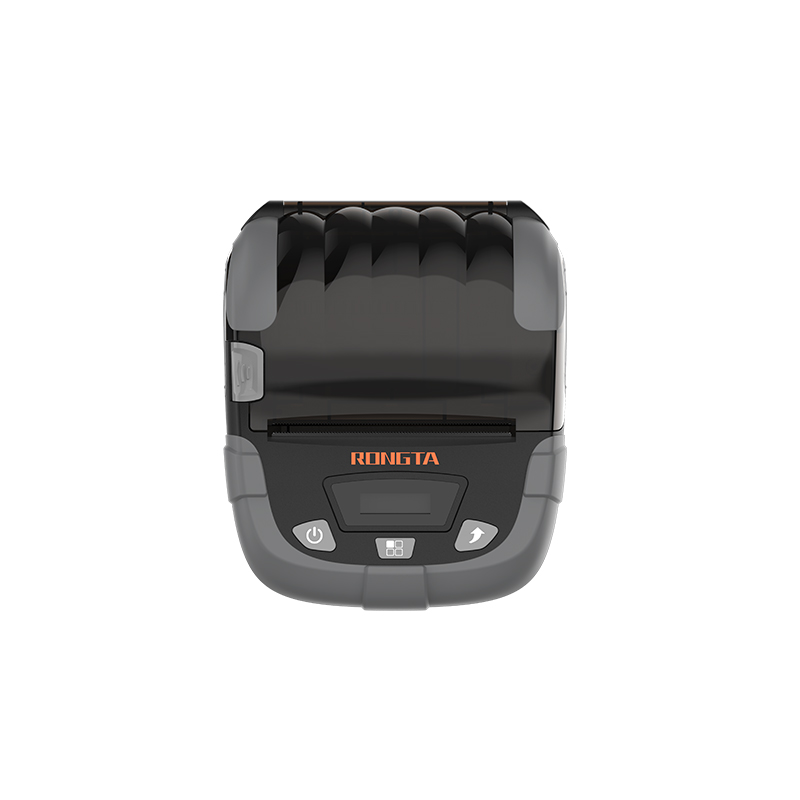 RPP320
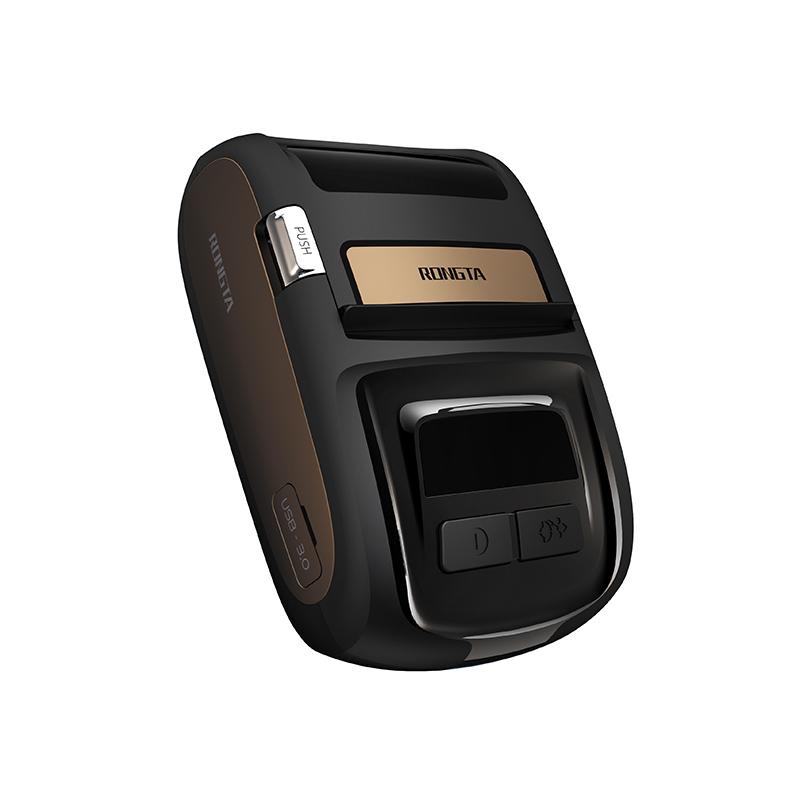 ACE M1
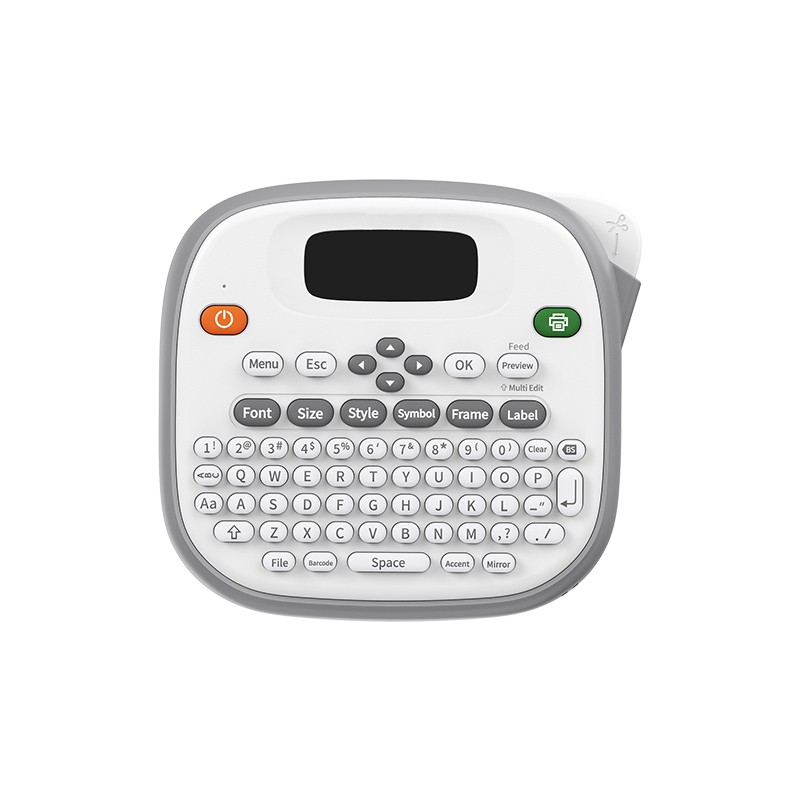 TD210
TD210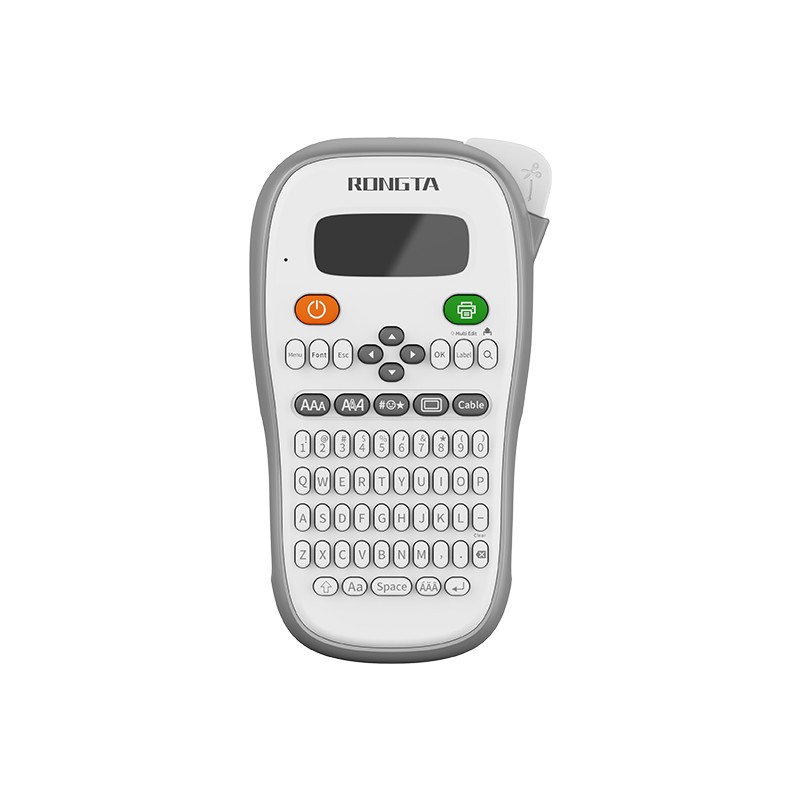 TH110
TH110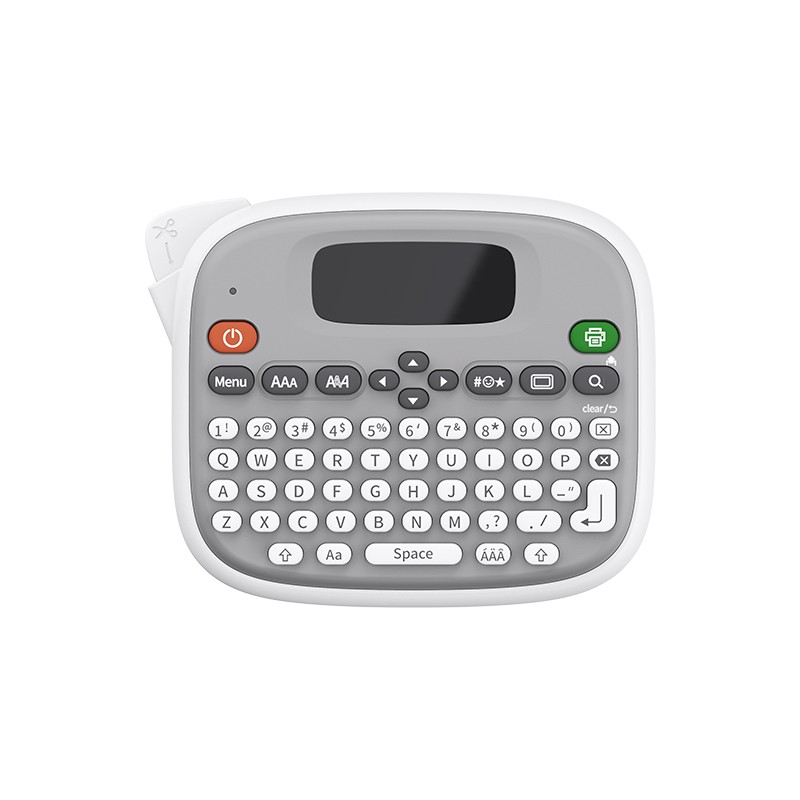 TM95
TM95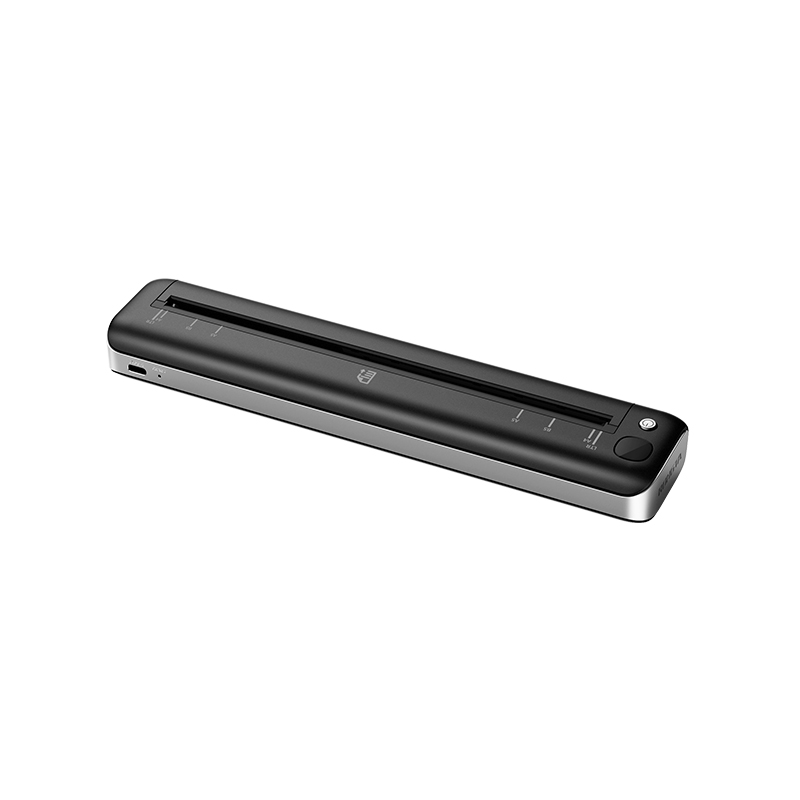 F81A
F81A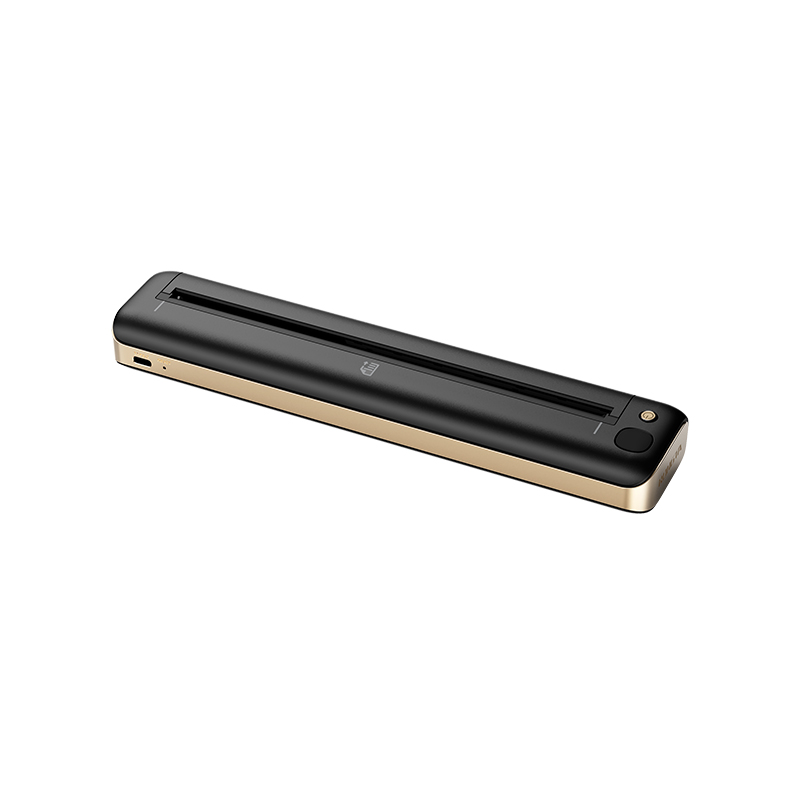 F81S
F81S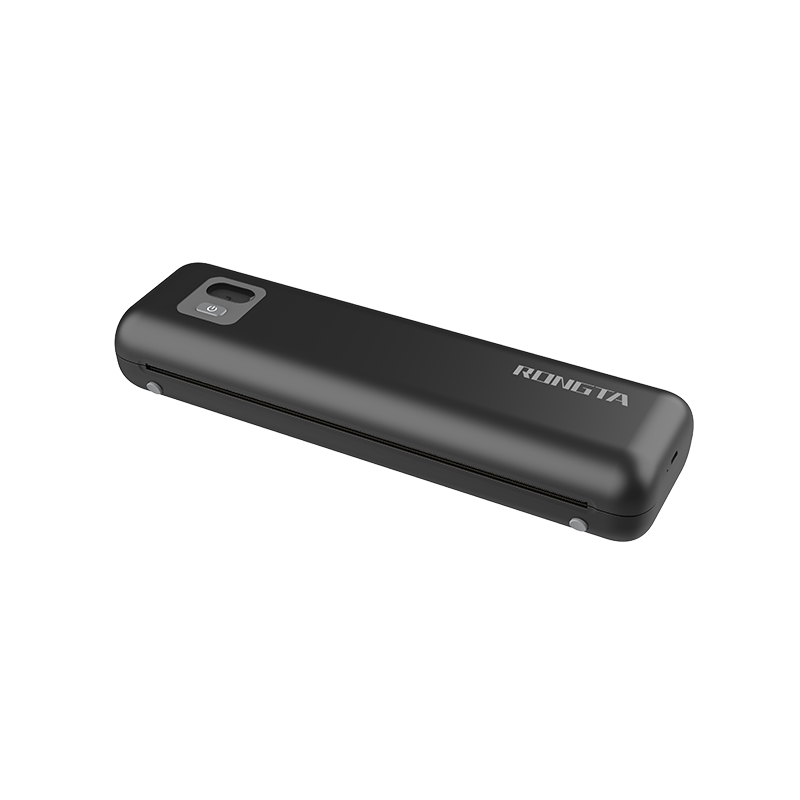 F82A
F82A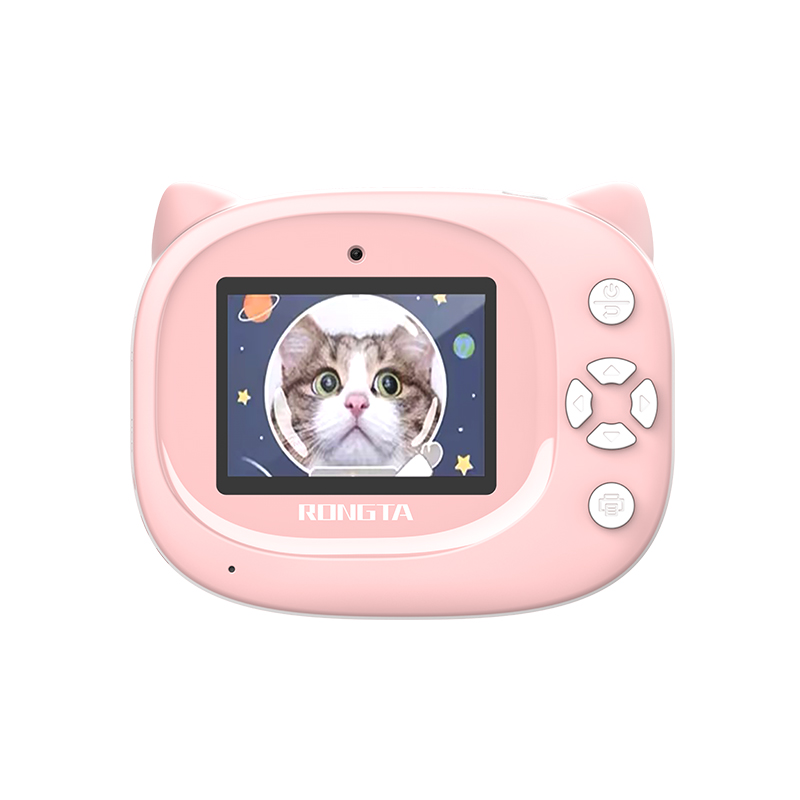 Z1
Z1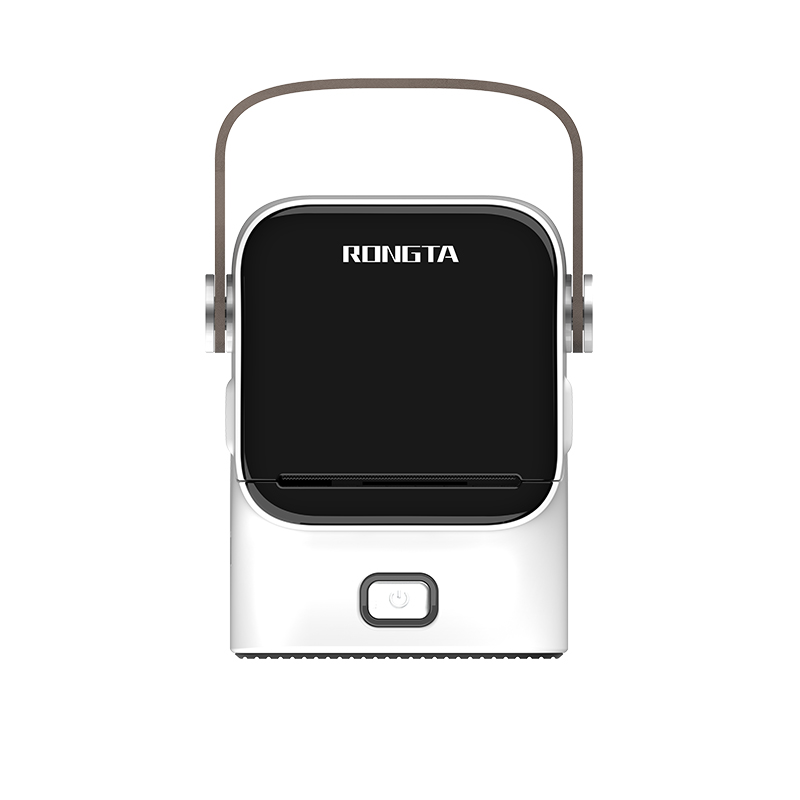 R22
R22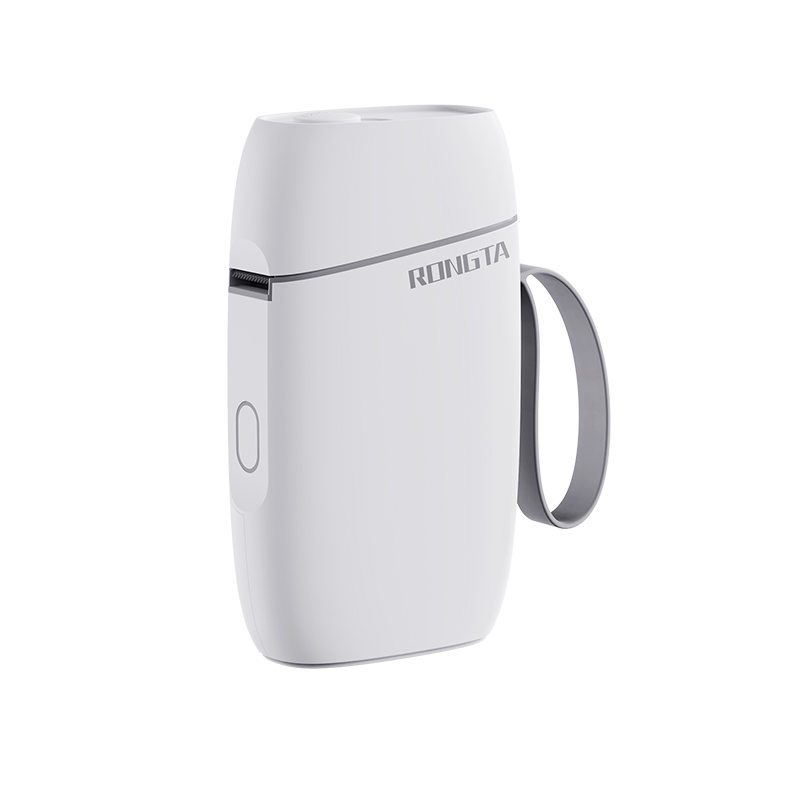 R5
R5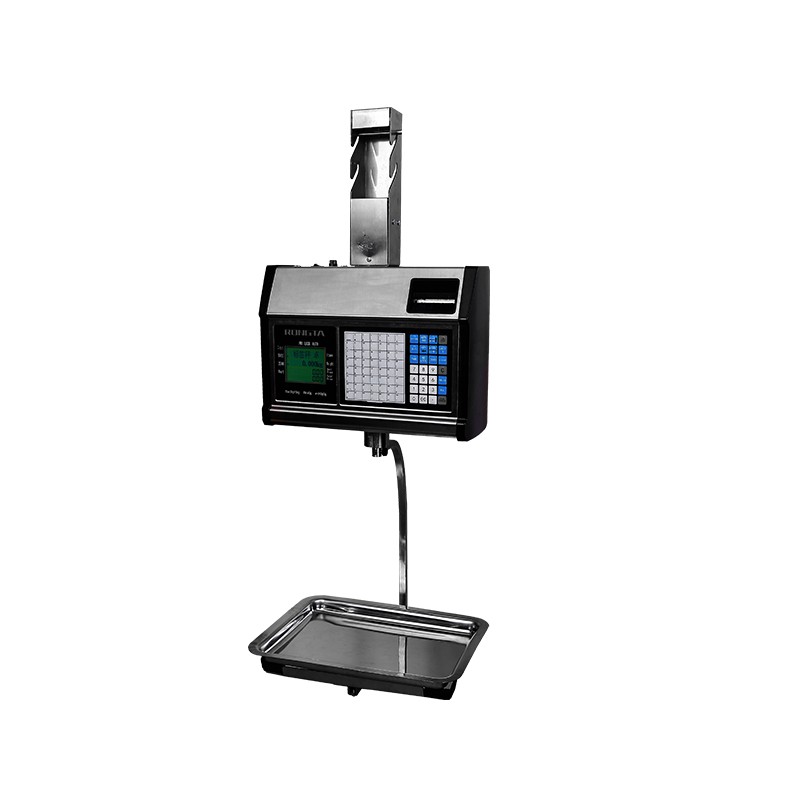 RLS1315/RLS1330
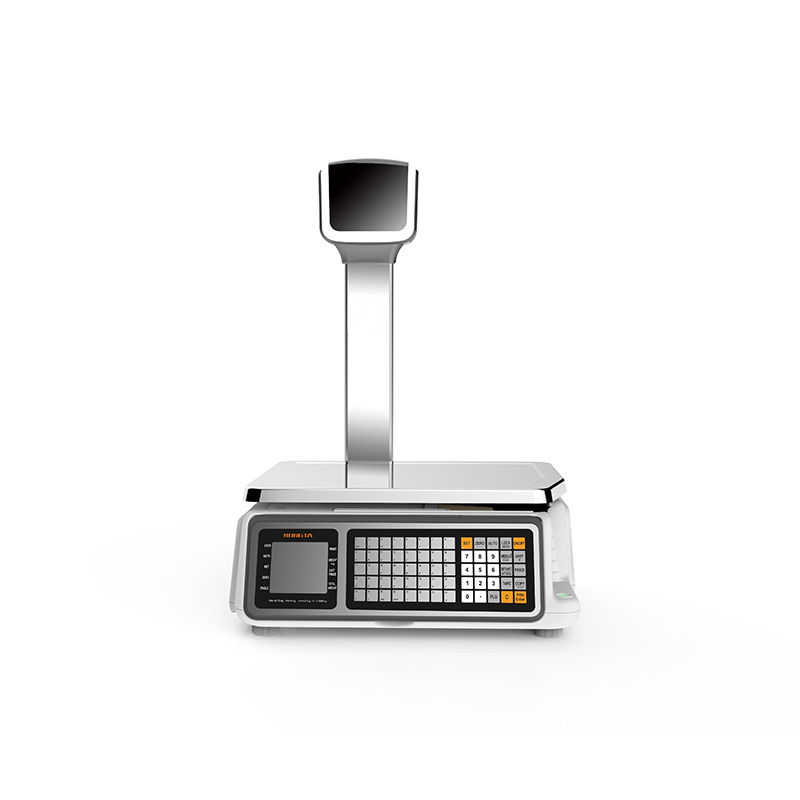 RLS1515/RLS1530
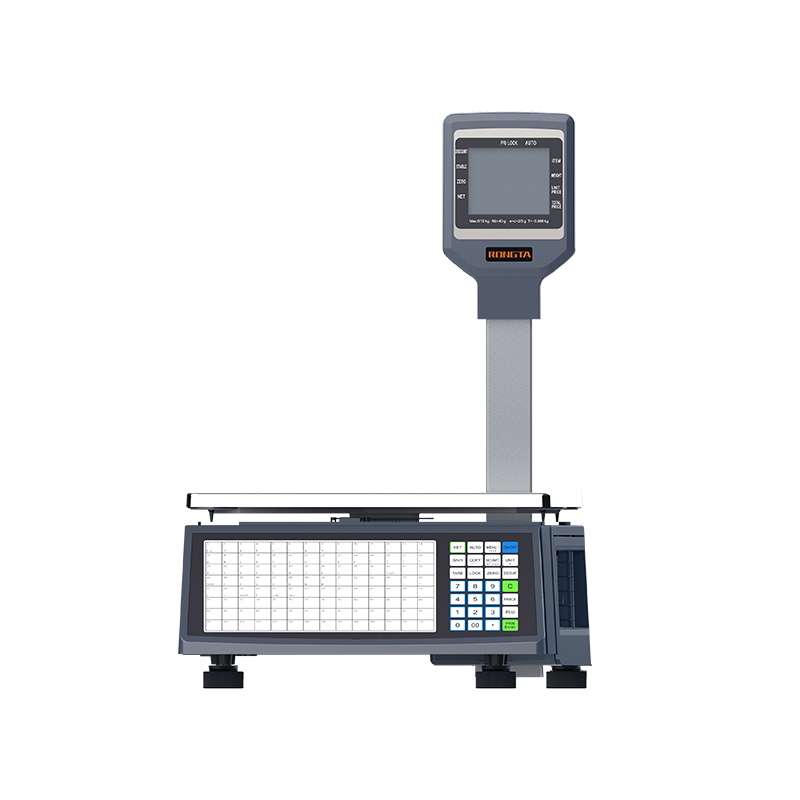 RLS1000/RLS1100A
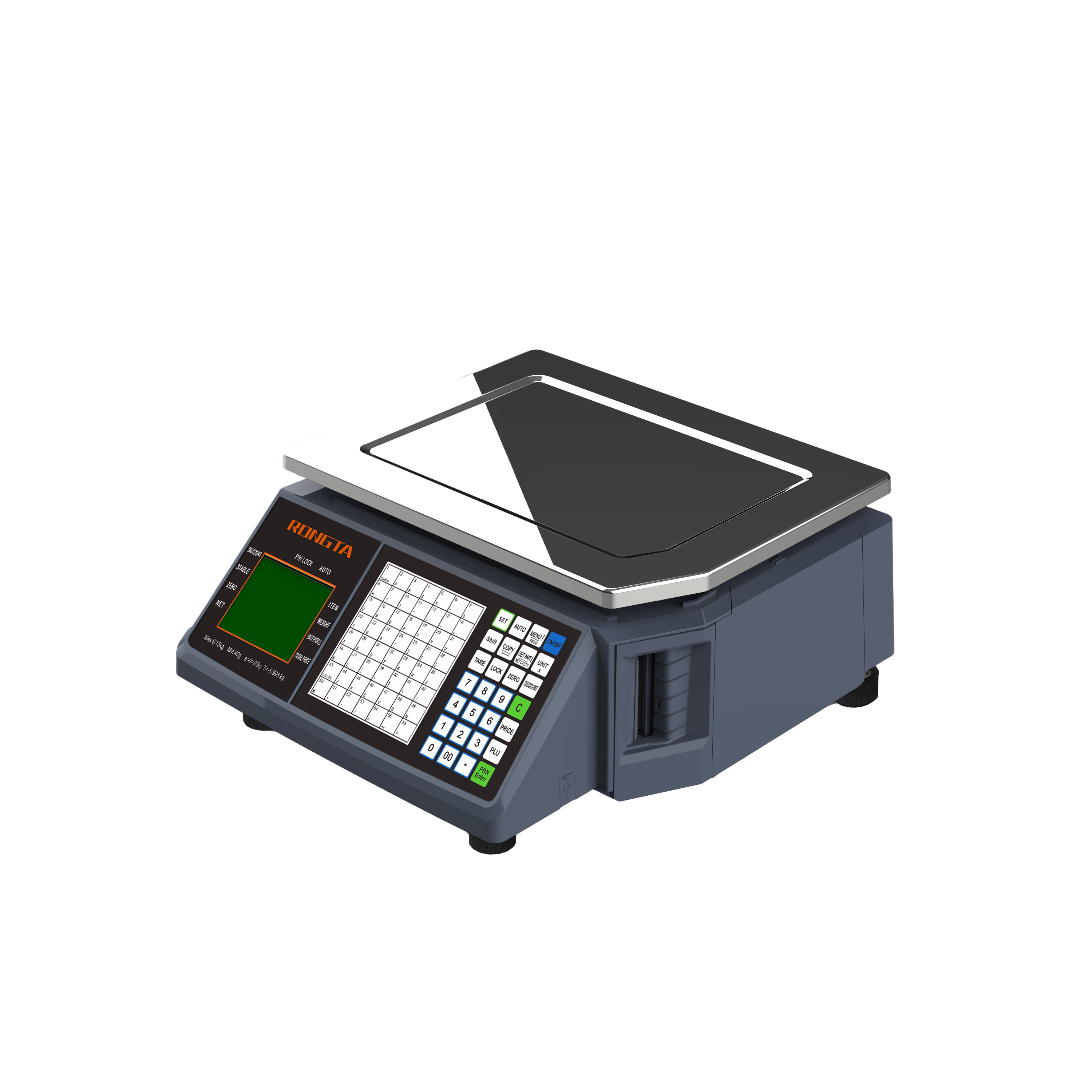 RLS1000/RLS1100B
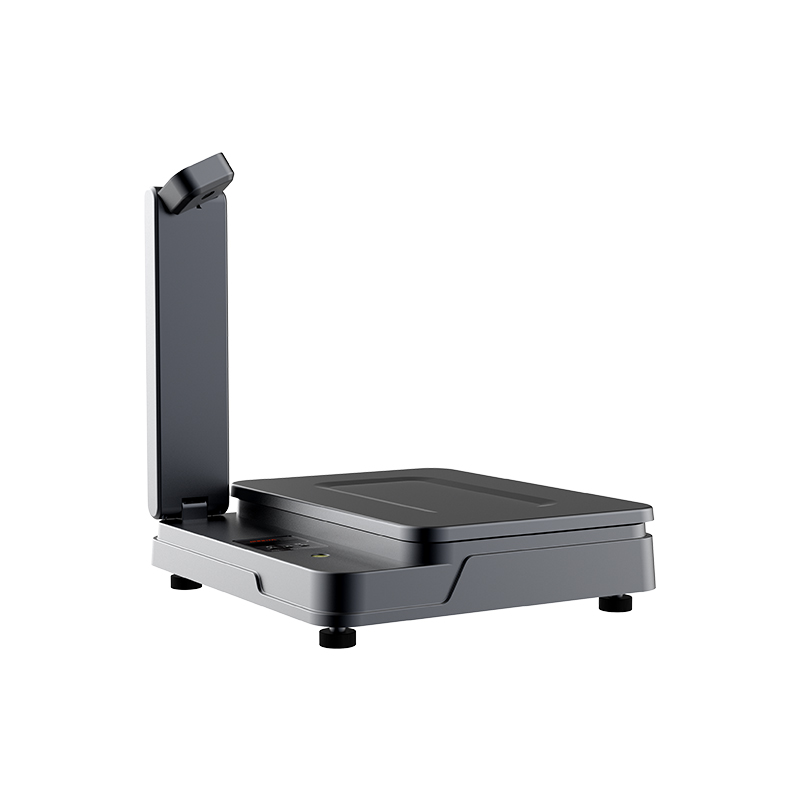 C2-AI
C2-AI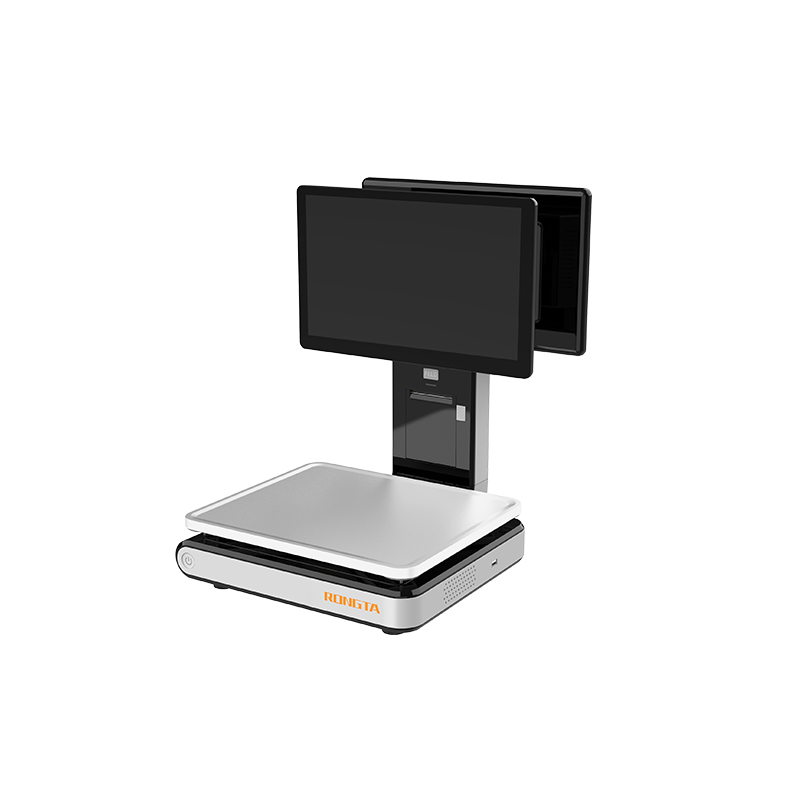 AURORA D2-AI
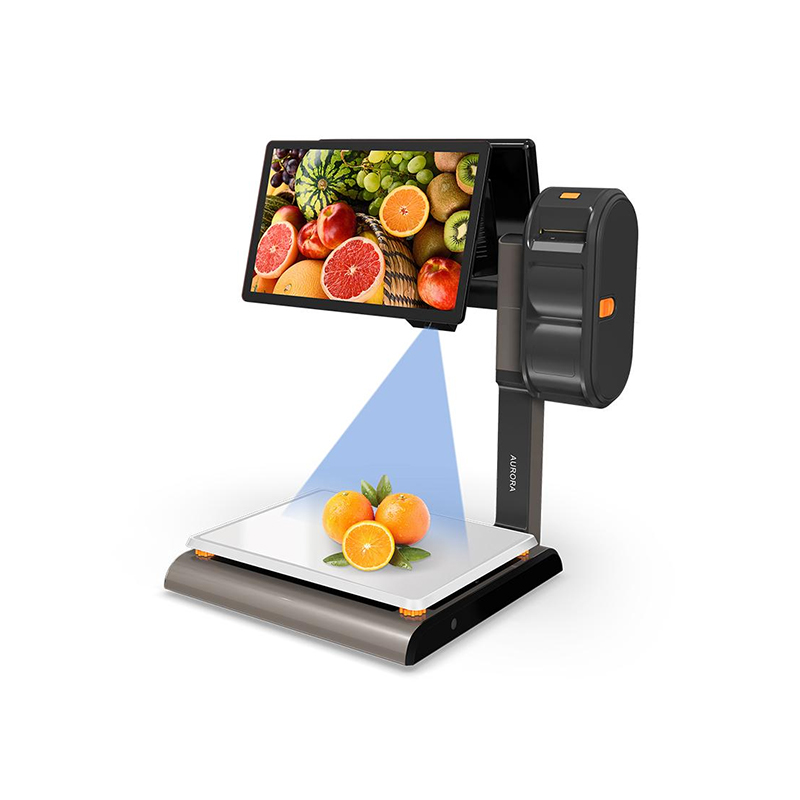 AURORA S2L-AI
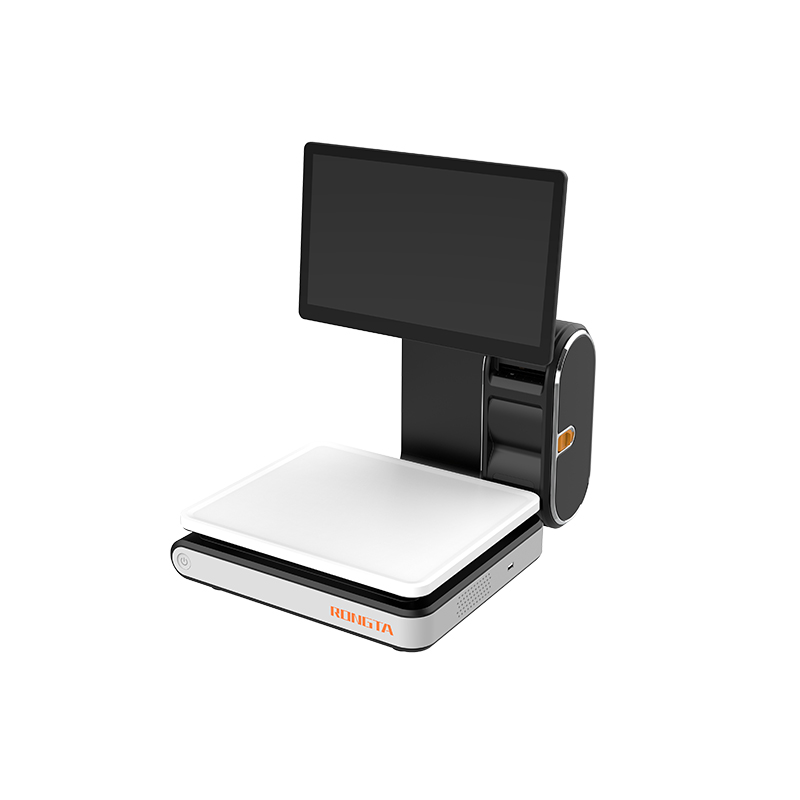 AURORA Y2L-AI
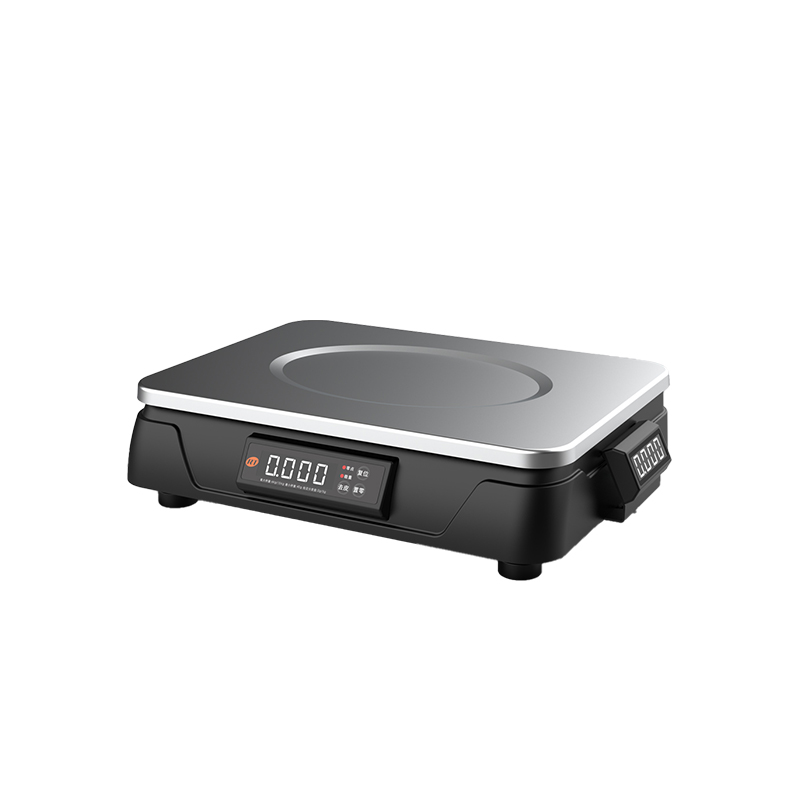 C1
C1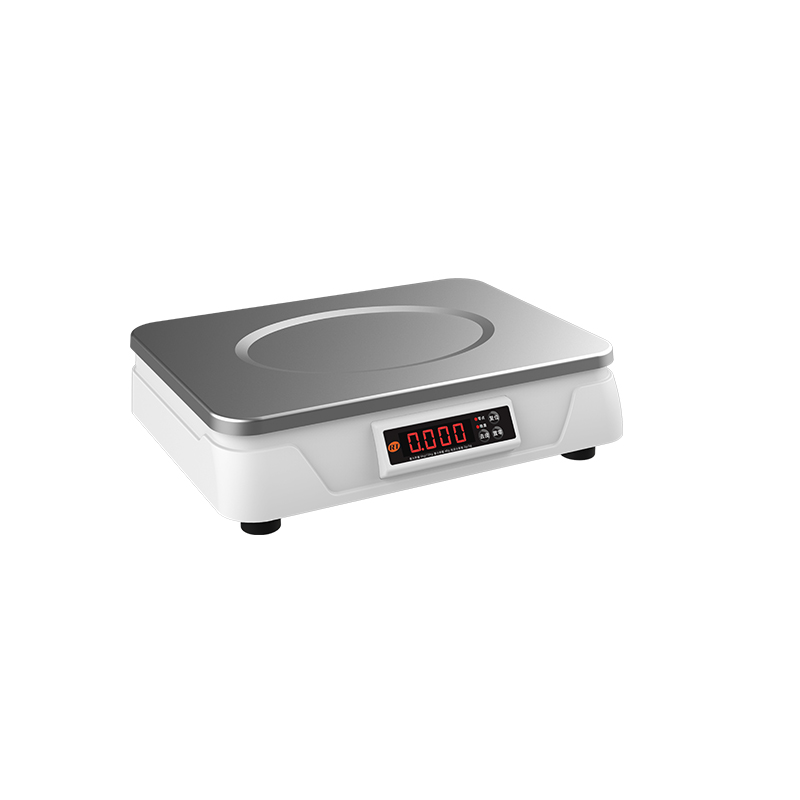 C11
C11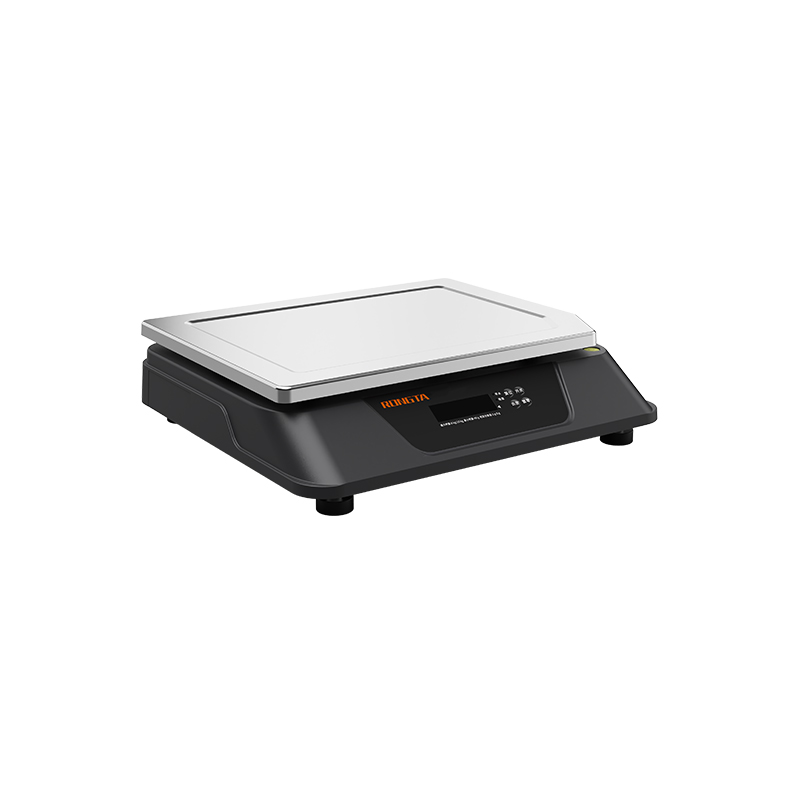 C3
C3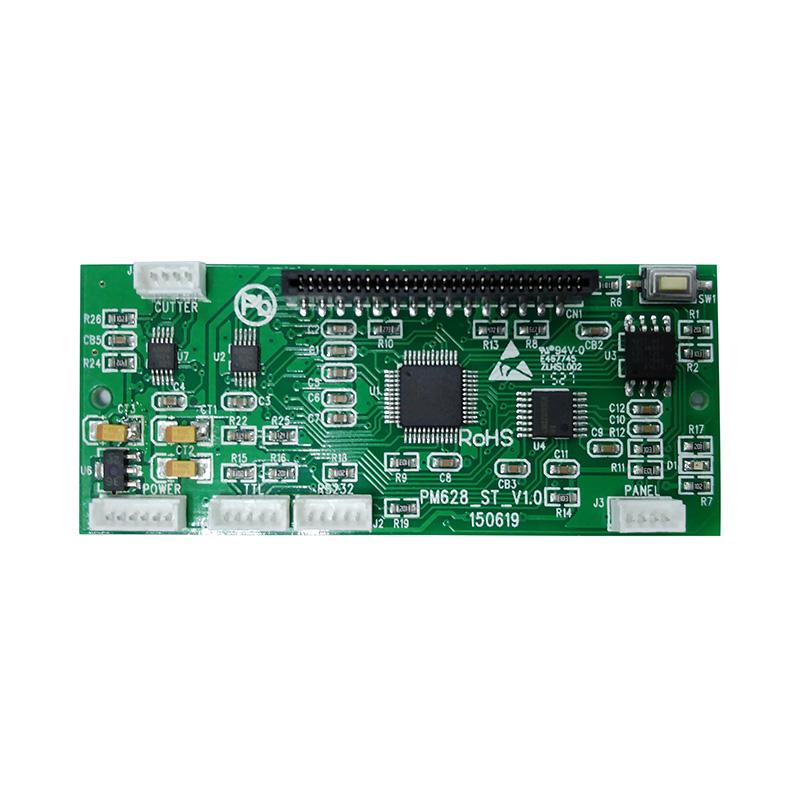 CB628
CB628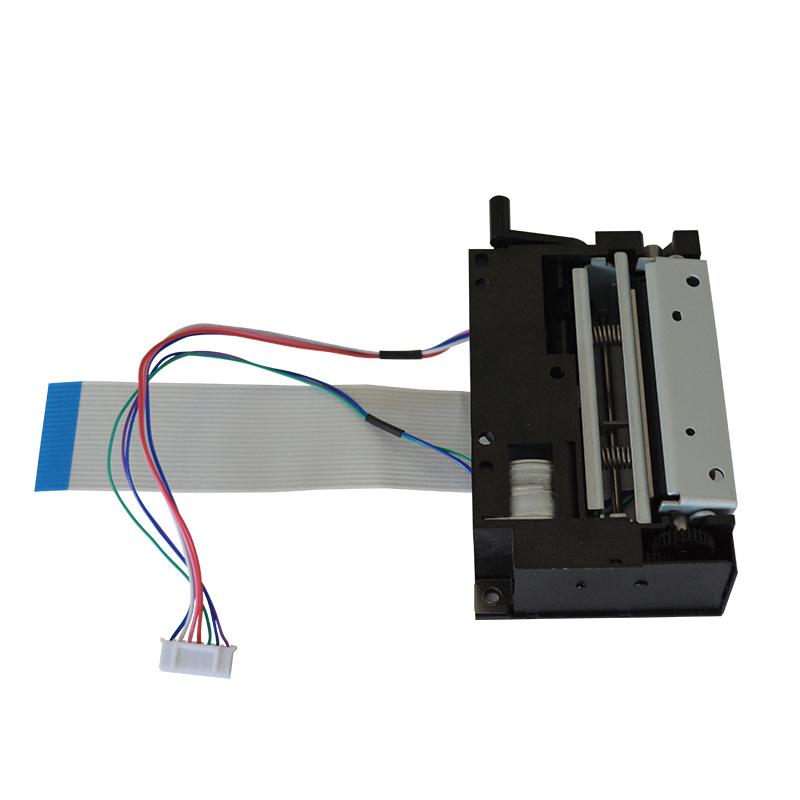 RT58
RT58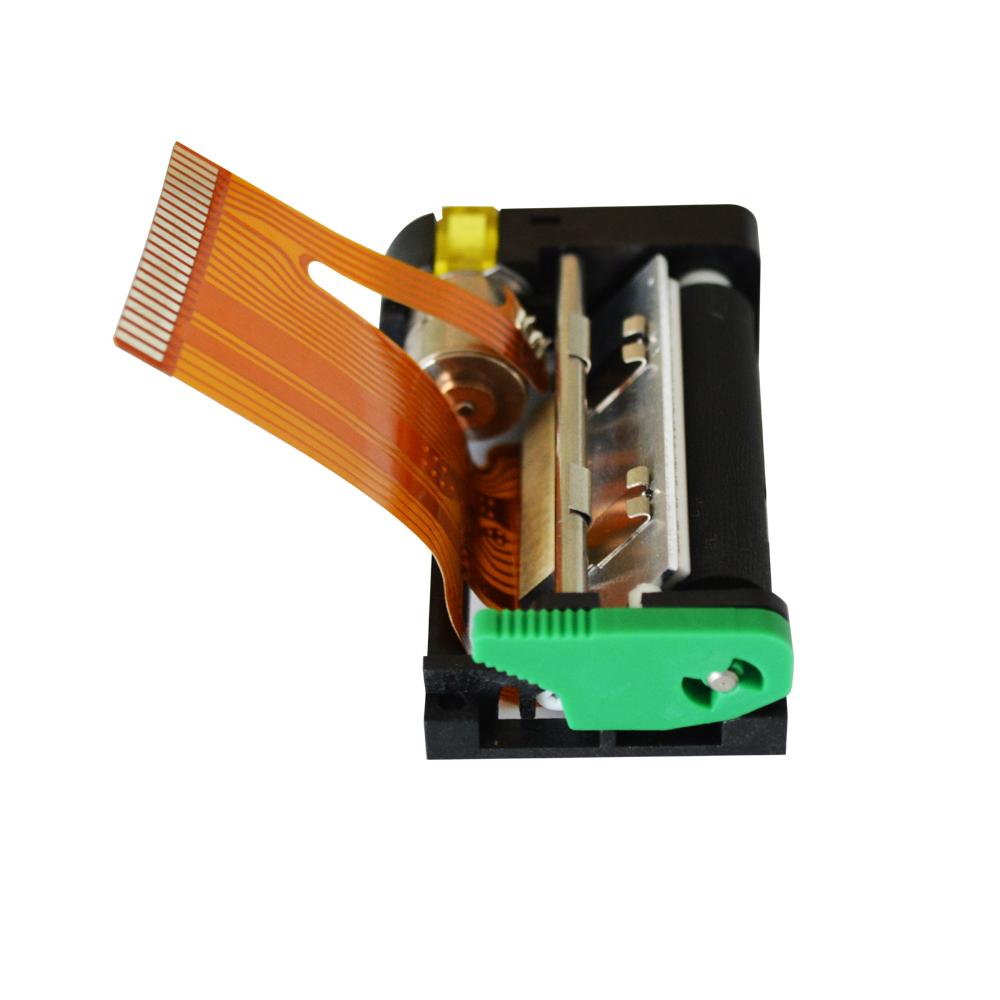 RT105
RT105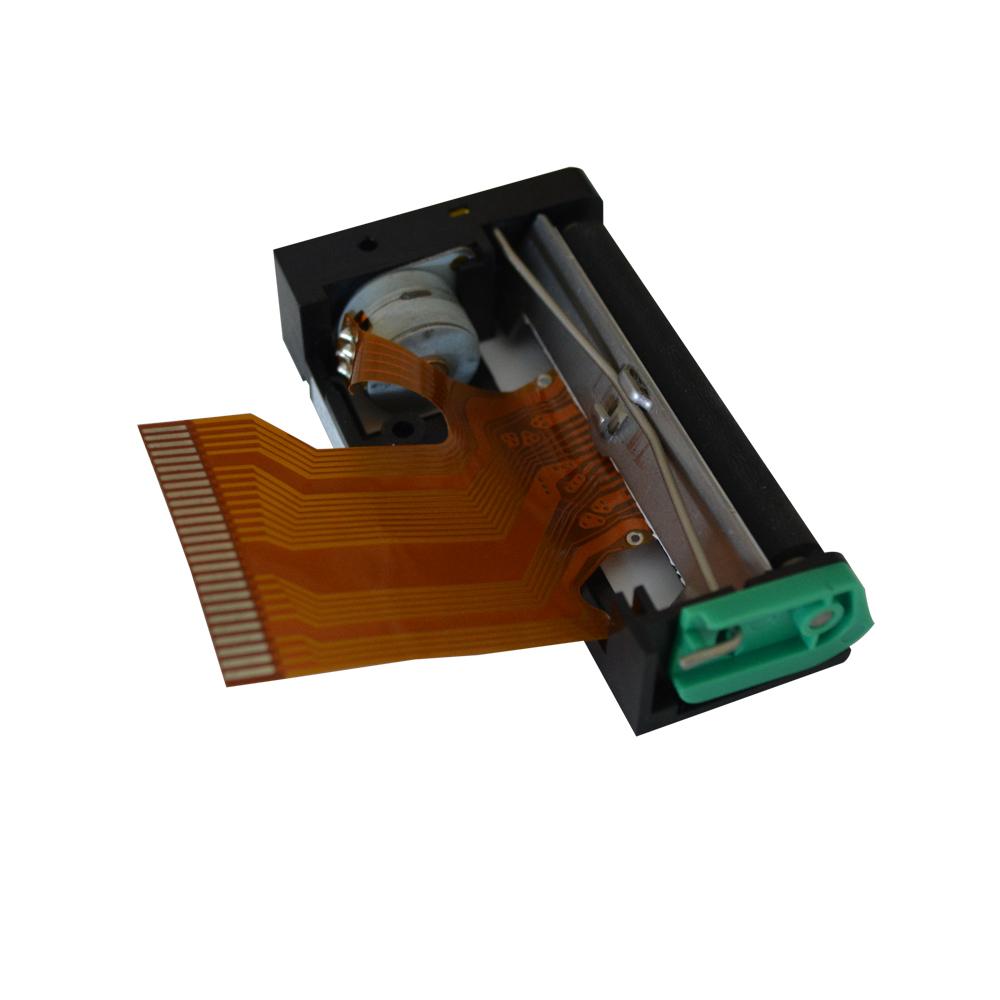 RT205MP
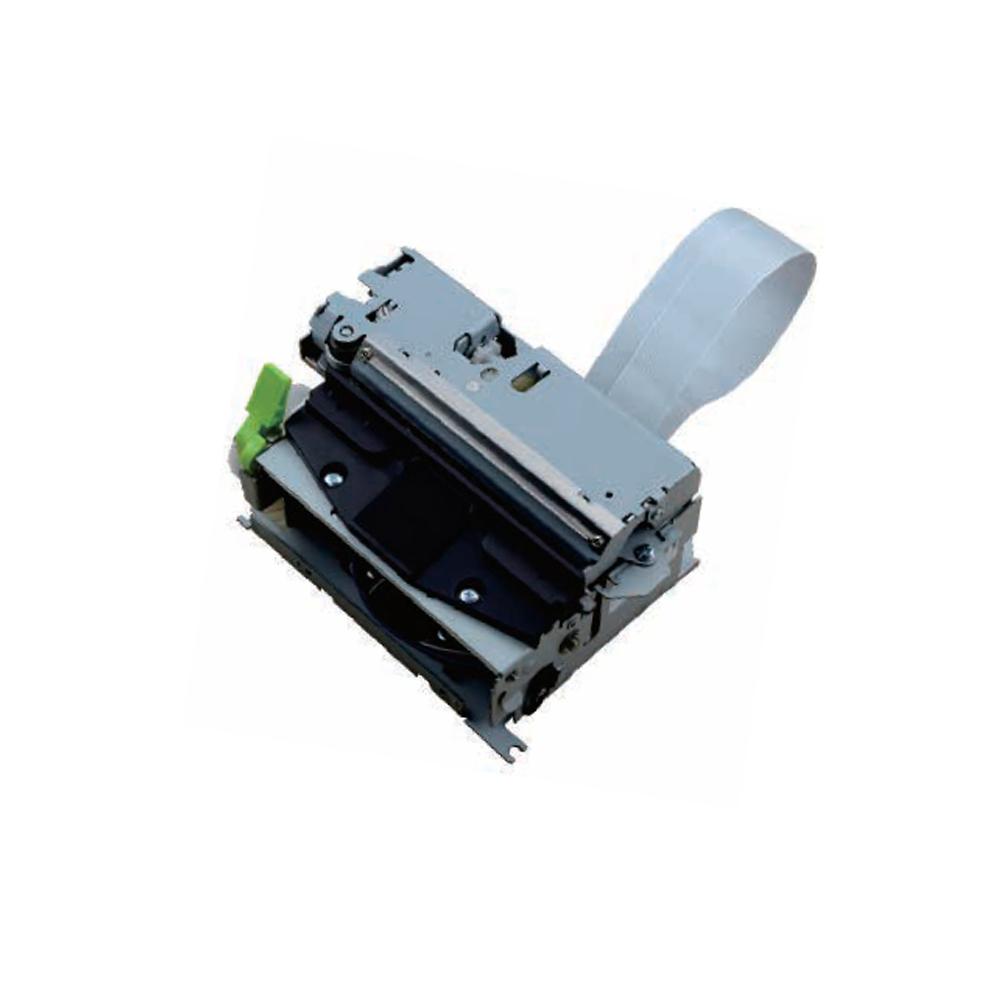 RT532
RT532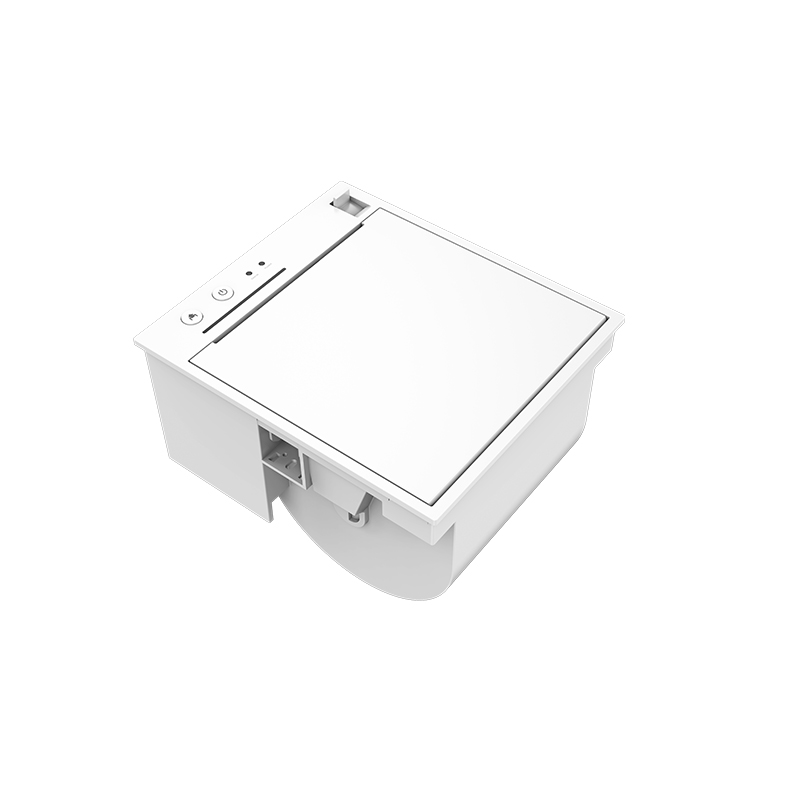 PM315
PM315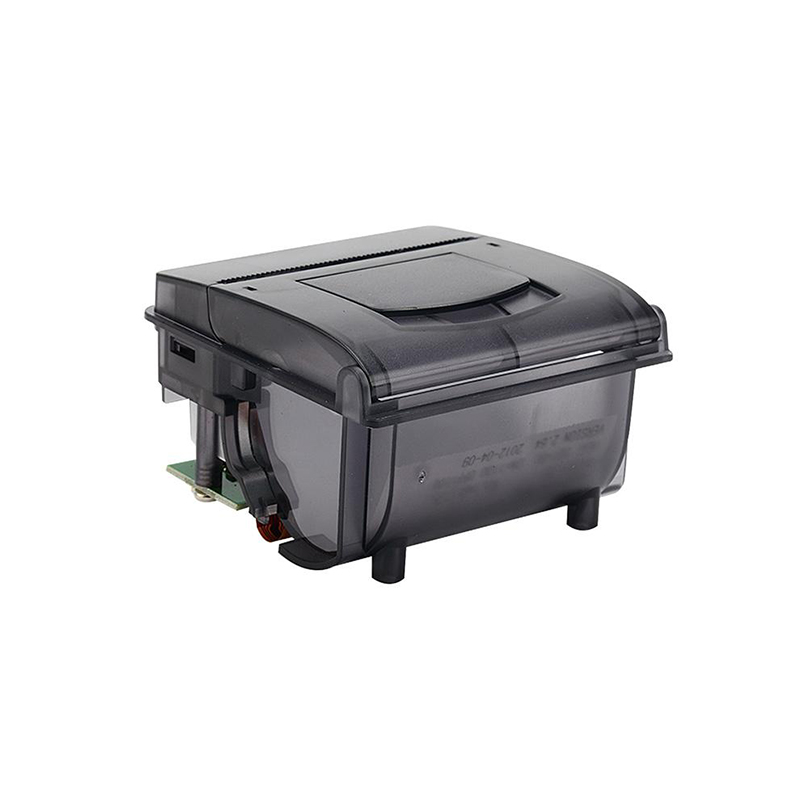 RP203
RP203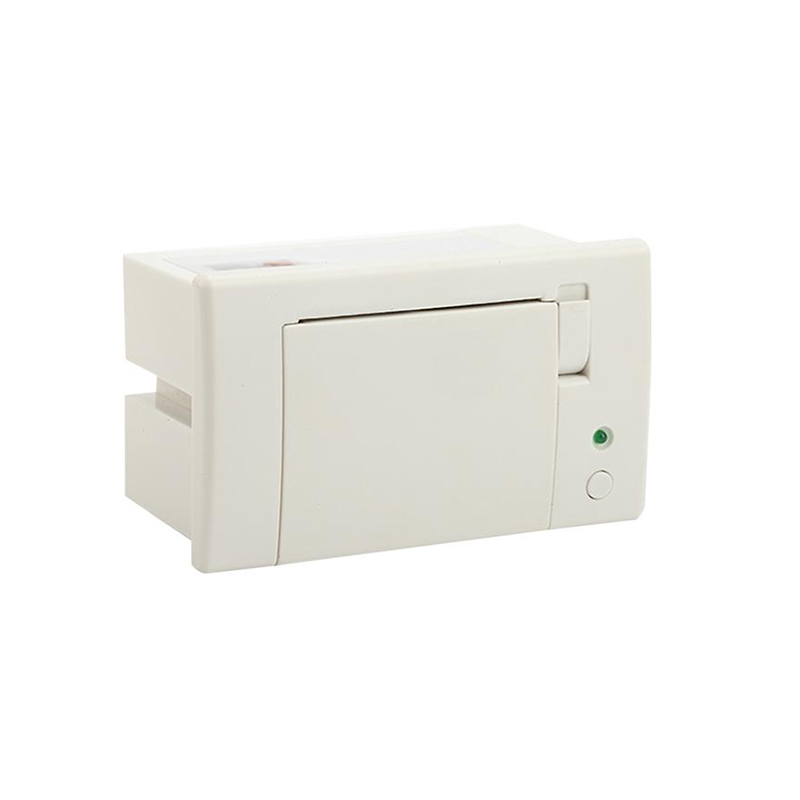 RP07
RP07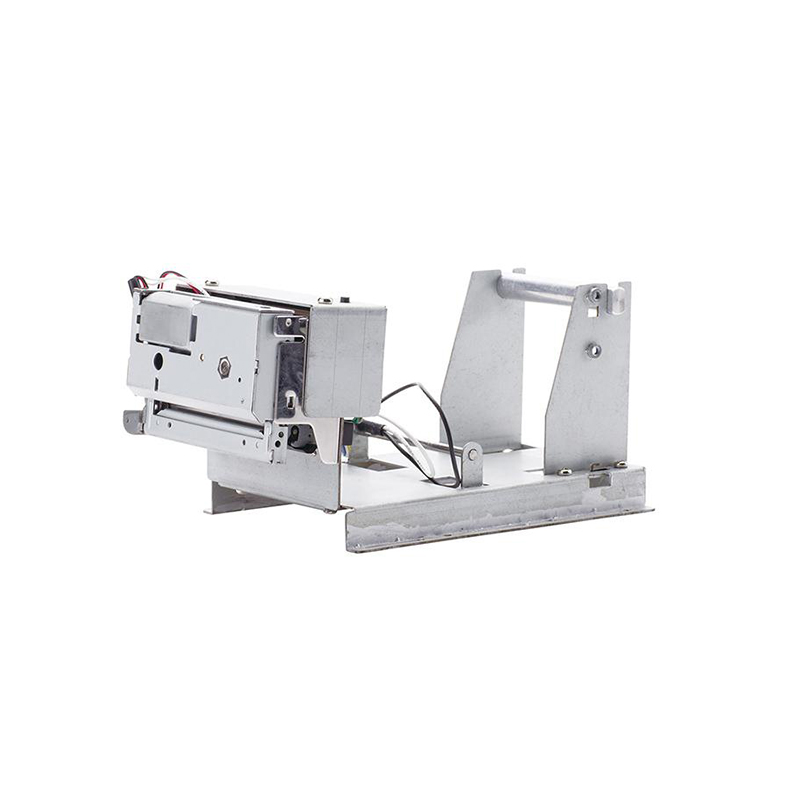 PM201
PM201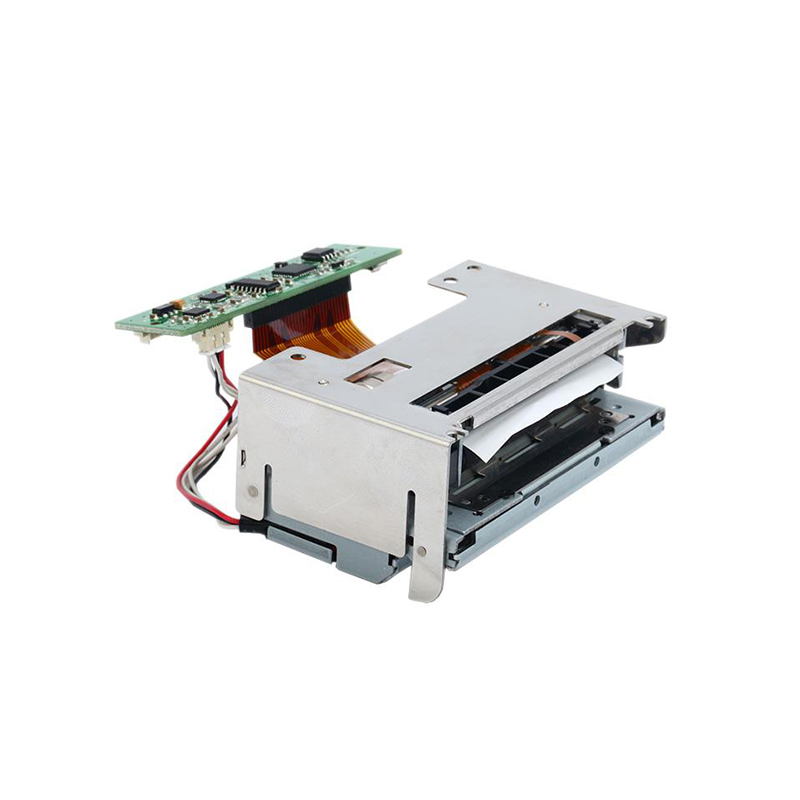 PM628
PM628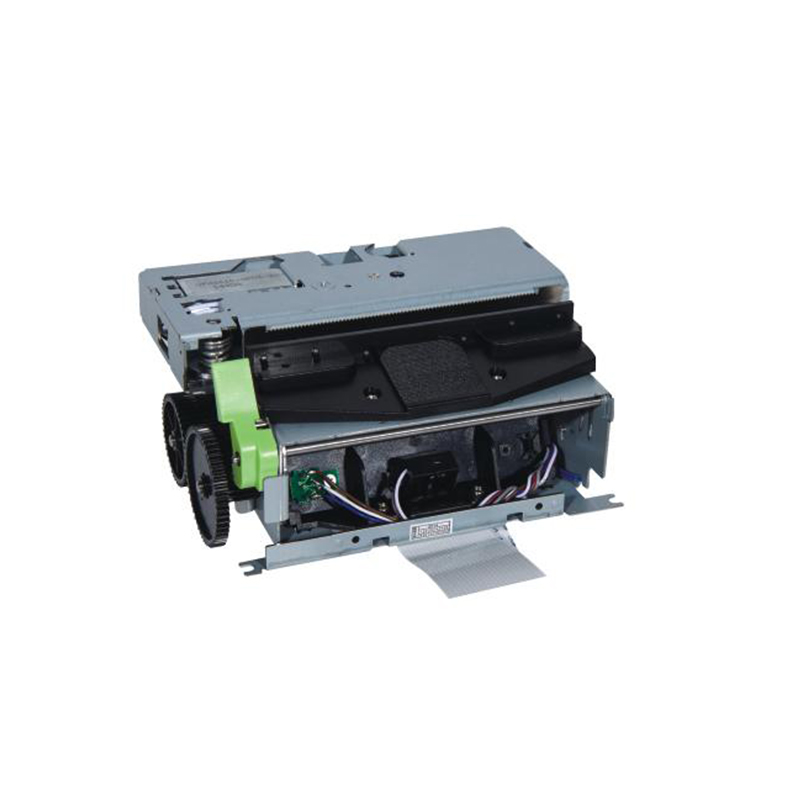 PM532A
 PM532B
 Retail
 Catering
 Medical
 Mobile Office/home
 Asset Management
 Logistics
 Driver Download
 User Manual
 Tool Download
 Label Design Software
 BarTender Video
 Product Video
 SDK
SDK FAQ
FAQ Company News
 Exhibitions
 Industry News
 Product News
 Rongta Introduction
 Rongta Milestones
 Awards and Qualifications
 R&D Strength
 Rongta Team Activities
 Responsibility
Je - Ku
It translates directly to "Where are you?" .
In this context, it is often part of a traditional proverb or game. In Hausa society, these phrases often carry moral lessons about community, permission, and respecting the property of others. 3. Historical K-Fashion: "Ku-Je-Pum" It translates directly to "Where are you
Much like the English "How's it going?", it is frequently used as an informal greeting among friends. You might hear variations like "Ku je more?" (a more emphatic, masculine way of saying "Where are you, man?") or "Ku je moj?" (used when addressing a woman). "Ku-je" (구제) has a very different
In South Korea, "Ku-je" (구제) has a very different, historical significance related to resilience. historical significance related to resilience.