_: Lover Girlmp4

A notification popped up on his phone: a social media memory. It was a photo of a bouquet of dried wildflowers she’d sent him for no reason.

Then, he opened a new message, typed her name, and began the terrifying work of being a lover boy. _ lover girlmp4

He looked back at the video. In the final second of the mp4, right before it cuts to black, Maya reaches out and covers the camera lens with her palm. For a brief moment, the screen goes warm and blurry—the color of skin pressed against glass. A notification popped up on his phone: a social media memory

Leo reached out, his finger hovering over the ‘Delete’ key. He thought about how much lighter his digital life would be without the ghost of her. Then, he thought about the way she used to look at him, as if he were the only person in a crowded room. He looked back at the video

Leo kept the file buried in a folder three layers deep on his desktop. He had filmed it three years ago, the summer before they both headed to different coasts for college. To the rest of the world, "lover girl" was a meme—a trope for girls who loved too hard, too fast, and too visibly. But to Leo, it was a technical definition of Maya. She was the girl who left sticky notes on his windshield, who memorized his coffee order, and who cried during the opening credits of Pixar movies because "the music knew what was coming." He clicked play.
Blog archive

in all categories

Latest articles

leadPicture

weather international

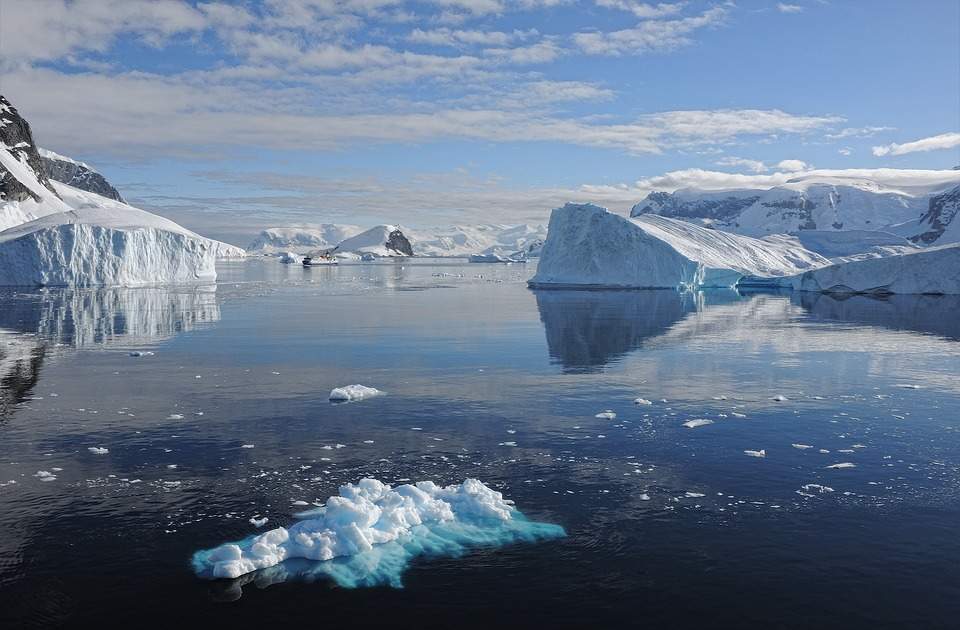
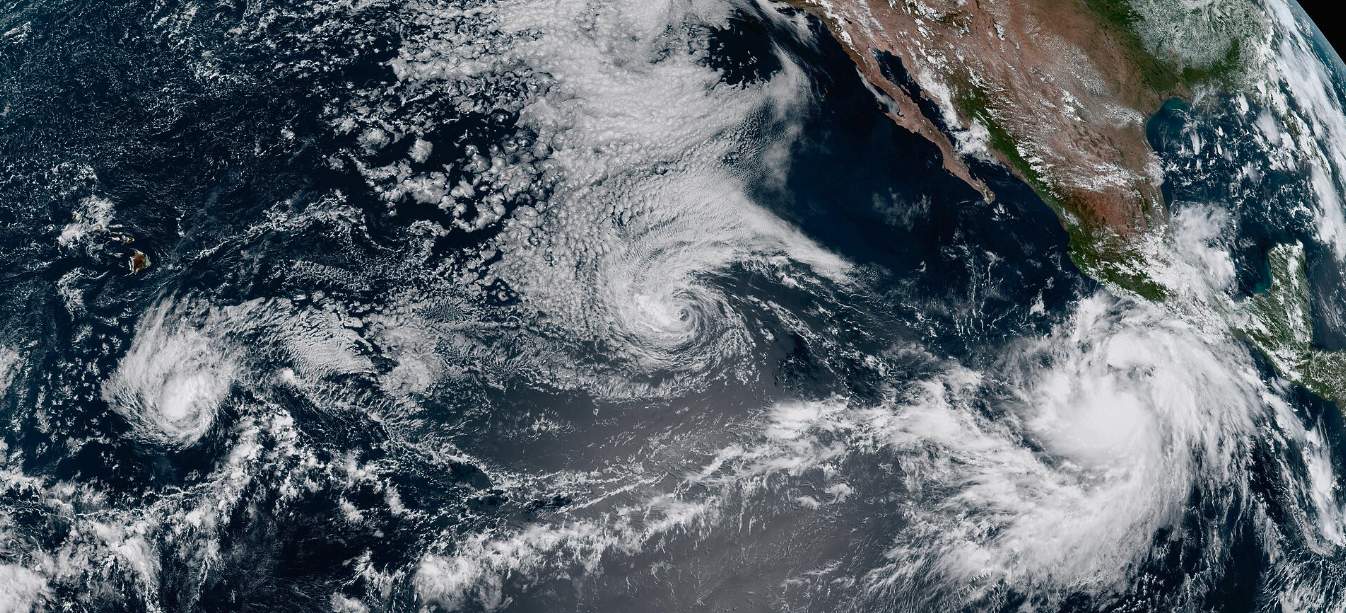
Current sea ice extent in the Antarctic and Arctic

The low point of summer sea ice extent is typically reached in the Antarctic between mid- and late February, while the winter maximum is reached in the Arctic in March with a slight delay. Conversely, the lowest sea ice extent is recorded in the Arctic in mid-September, while the greatest extent is recorded in the Antarctic. Currently, we are experiencing the lowest level of global sea ice extent on record.

Michael Eichmann

Most read articles last 2 months

Most read articles last 12 months

leadPicture

astro international

Summer in the calendar from tomorrow!

Following the meteorological start of summer on June 1 and the even earlier phenological start of summer, summer in the Earth's northern hemisphere will now also begin tomorrow, Saturday, June 21, at exactly 4:41 a.m. in calendar and astronomical terms. This is also known as the summer solstice, as the sun is positioned vertically above the Tropic of Cancer. This is associated with the longest day and shortest night in the northern hemisphere, and from this point onwards the length of the day decreases again.

Roger Perret

leadPicture

weather international

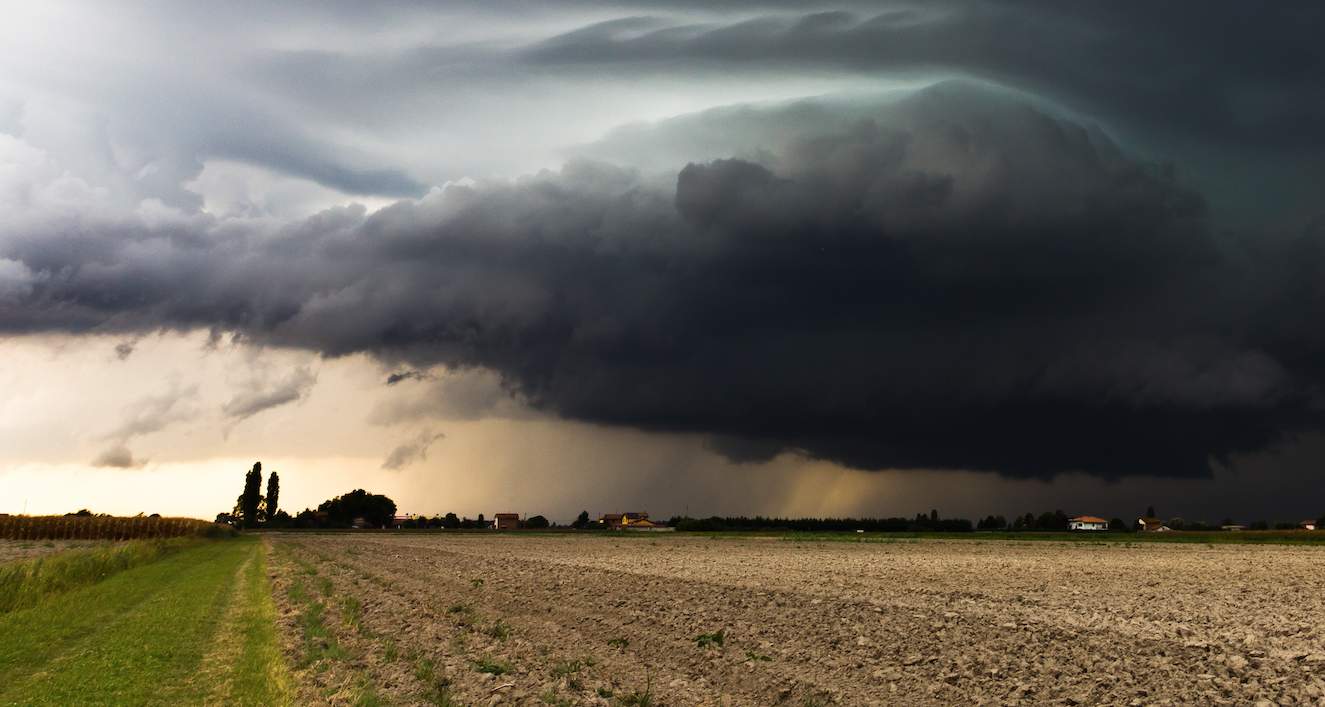
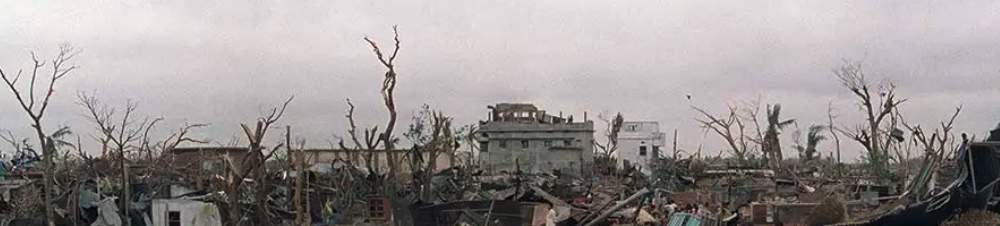
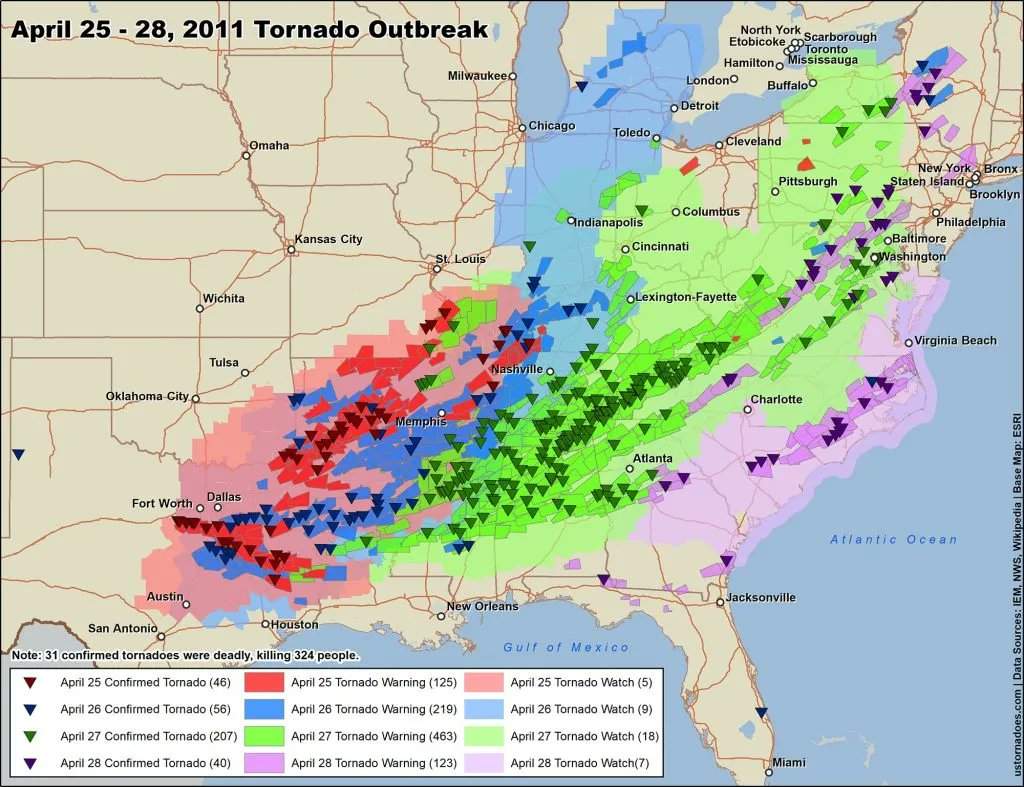
The 2011 Super-Outbreak

Particularly during spring and early summer, severe storms with tornadoes form in North America on a more or less regular basis. While most of these events "only" produce a handful of tornadoes, extreme events can occur if the pressure distribution, wind shear and humidity are ideal for the storms. The most devastating and very deadly tornado outbreak to date occurred between April 25 and 28, 2011, when 362 tornadoes formed within 4 days!

Michael Eichmann

Quick access to our weather portal

Reach our weather portal even faster by placing a shortcut directly on your home screen:
  • 1. Tap
  • 2. To the home screen
  • 1. Tap
  • 2. Tap 'Add to Home screen'
  • 3. tap 'Add'
  • 1. Tap
  • 2. Tap 'Add to Home screen'
  • 3. tap 'Add'