Oberschlesien Guide
The 19th and early 20th centuries transformed the region into a powerhouse of coal mining and steel production. This strategic importance made it a flashpoint after World War I.
Oberschlesien: A Region of Industrial Might and Shared Heritage Oberschlesien
: Following the Treaty of Versailles, inhabitants voted to decide whether the region should belong to Germany or Poland. The 19th and early 20th centuries transformed the
(Upper Silesia) is a historically rich and culturally complex region located primarily in southwestern Poland , with small parts extending into the Czech Republic. For centuries, it has served as a crossroads of German, Polish, and Czech influences, evolving into one of Europe's most significant industrial hubs. Historical Foundations (Upper Silesia) is a historically rich and culturally
: During Nazi occupation, the region’s industrial capacity and labor force—including Jewish forced laborers —were ruthlessly exploited for the German war effort. Post-1945, the region was integrated into Poland, leading to mass deportations and a profound demographic shift. Cultural and Architectural Heritage Jews in Organisation Todt, Soviet Territories, Oct. 1941
Best viewed in Mozilla, Safari, Chrome and Netscape
தயவுசெய்து இன்ரர் நெற் எக்ஸ்புளோரரைப் பயன்படுத்தாதீர்கள்

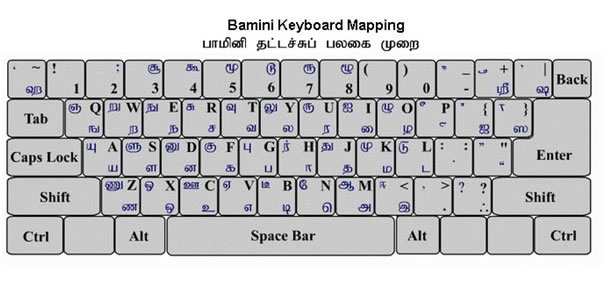
தமிழை ஆங்கிலத்தில் எழுத கீழுள்ள வழிமுறையைப் பாவிக்கவும்
|
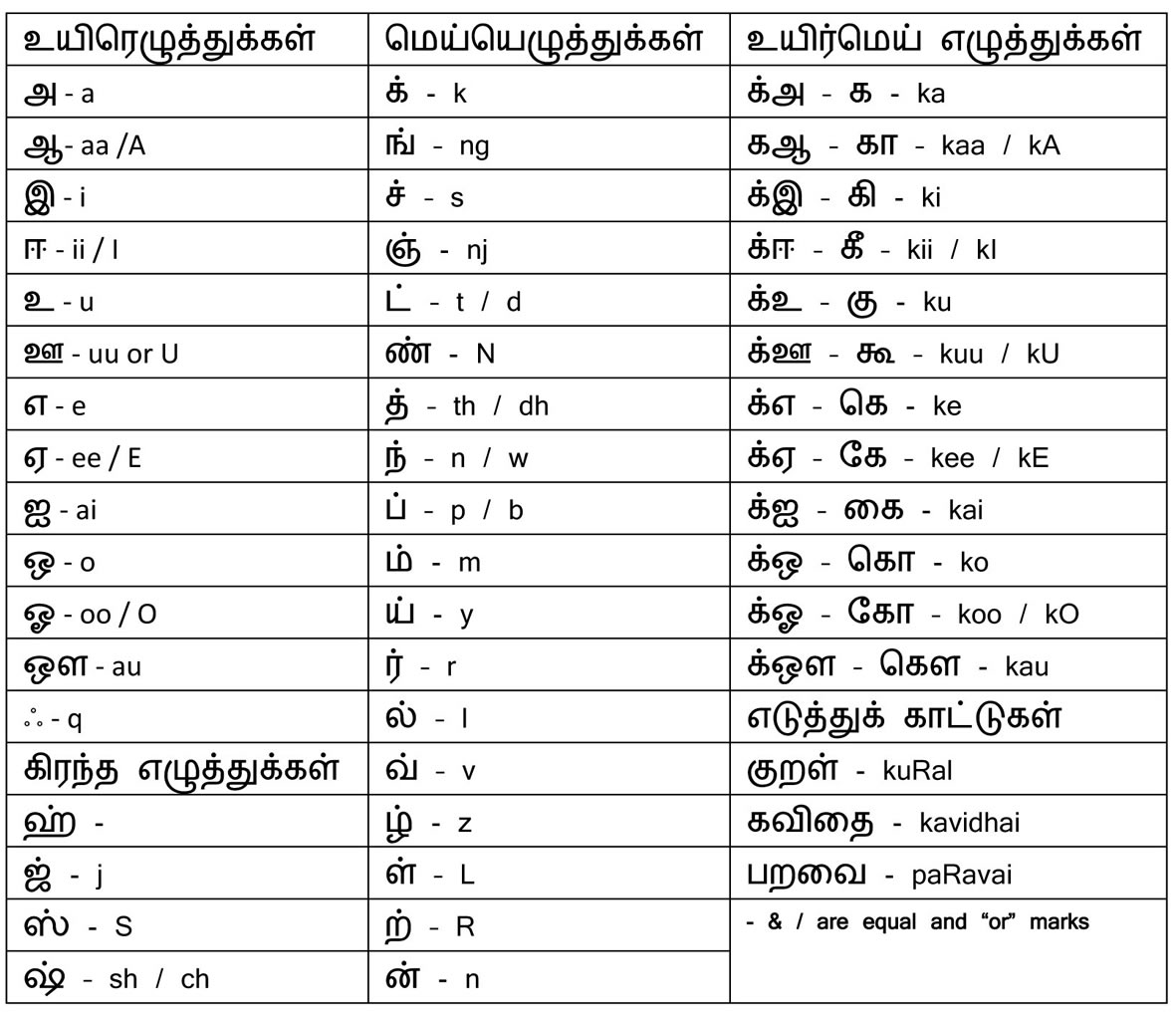
மேலே இல்லாத எழுத்துக்களைப் பெற பாமினி முறைக்குமாற்றி விசைப்பலகையிலுள்ளபடி ரைப் செய்யவும்.
இந்த இணையம் தற்போது கட்டமைக்கப்படுகிறது. உங்கள் கருத்துக்களையும் ஆக்கங்களையும் கீழே கிளிக்செய்து வரும் இணைய முகவரிக்கு அனுப்புங்கள்:
பட்டி மன்றம், பாடல், குழந்தை நடனம்
குழந்தைப்பாடல்கள், விஞ்ஞான மாஜிக்குகள்
புகழ்பெற்ற பாடல்கள், வீடியோக்கள்