Salsen_collection.zip -
: Suggestions for how the data should be stored, indexed, or further analyzed.
: Highlighting the most significant documents or data points found within the archive. 5. Conclusion and Recommendations Summary : Final assessment of the collection’s value. Salsen_collection.zip
: Identification of any systematic naming patterns used within the collection. 4. Analysis and Findings : Suggestions for how the data should be
: Grouping files by subject matter (e.g., "Financial Records," "Correspondence," "Technical Diagrams"). Salsen_collection.zip
: Define the origin and purpose of the Salsen_collection .
To generate a comprehensive paper or report covering this file, you would typically follow a structured analysis approach. Below is a framework you can use once you have access to the contents: 1. Introduction
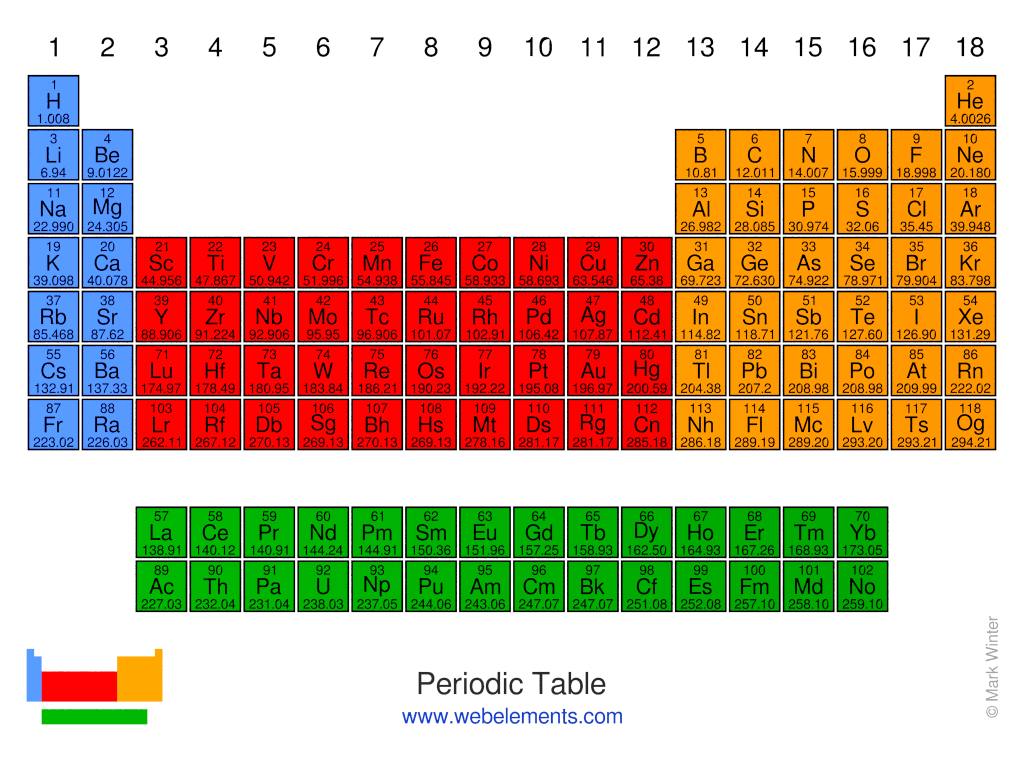
The International Union of Pure and Applied Chemistry (IUPAC) confirmed the names of elements 113, 115, 117, and 118 as:
This followed a 5-month period of public review after which the names earlier proposed by the discoverers were approved by IUPAC.
On 1 May 2014 a paper published in Phys. Rev. Lett by J. Khuyagbaatar and others states the superheavy element with atomic number Z = 117 (ununseptium) was produced as an evaporation residue in the 48Ca and 249Bk fusion reaction at the gas-filled recoil separator TASCA at GSI Darmstadt, Germany. The radioactive decay of evaporation residues and their α-decay products was studied using a detection setup that allows measurement of decays of single atomic nuclei with very short half-lives. Two decay chains comprising seven α-decays and a spontaneous fission each were identified and assigned to the isotope 294Uus (element 117) and its decay products.
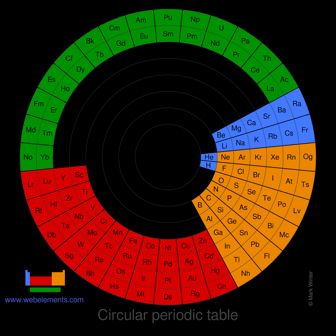
Click on the images below to see images of the periodic table in a variety of styles.
 WebElements