




Current information reveals that "wide spreading teens" often refers to the phenomenon of information, trends, or behaviors—ranging from social media viral content to large-scale street gatherings—rapidly circulating among adolescents. This dynamic is primarily driven by digital connectivity and peer influence. Key Aspects of High-Spread Teen Activity
: Over half of teenagers now report that their primary source of news is social media, often learning about global issues like climate change through YouTube or Facebook.
The identification of themselves based commonly on a comparison between them and members of the group to which they aim to belong. PubMed Central (PMC) (.gov)
The effect of social media influencers' on teenagers Behavior - PMC
: Teenagers predominantly use platforms like TikTok, Instagram, and Snapchat for connection and self-expression.
: Content can spread rapidly due to the "attention economy," though teens often express skepticism about the reliability of online information.
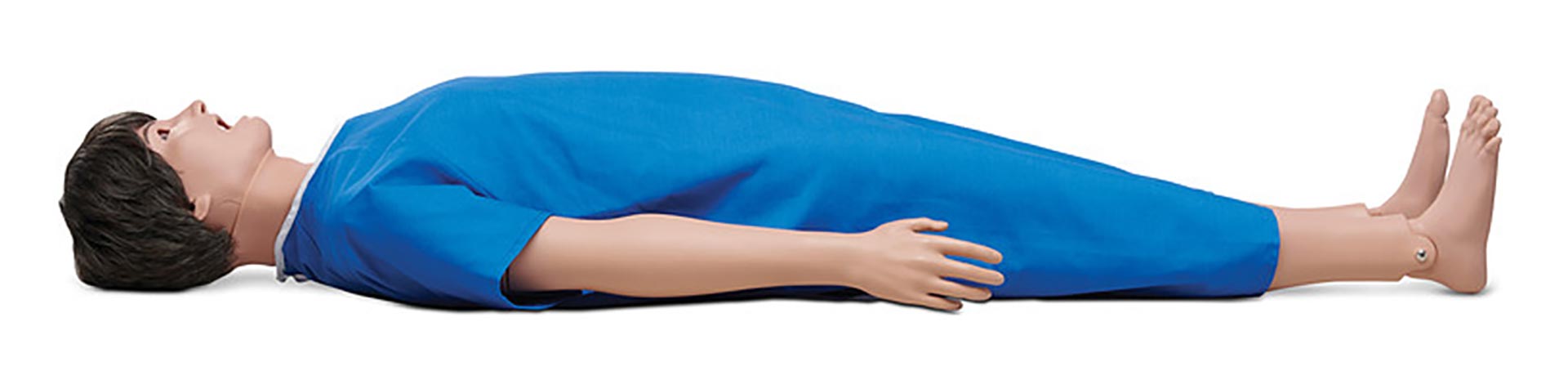
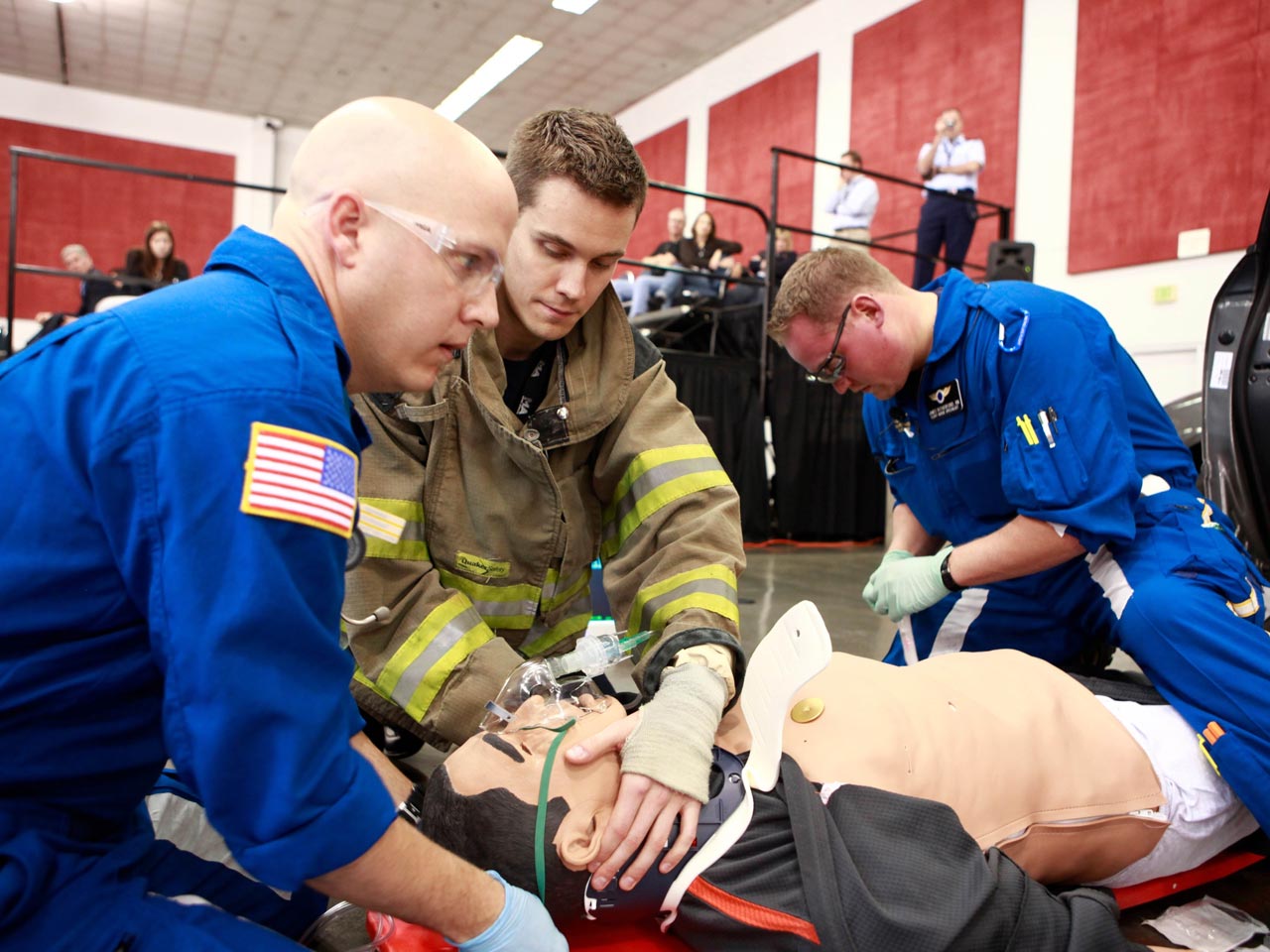
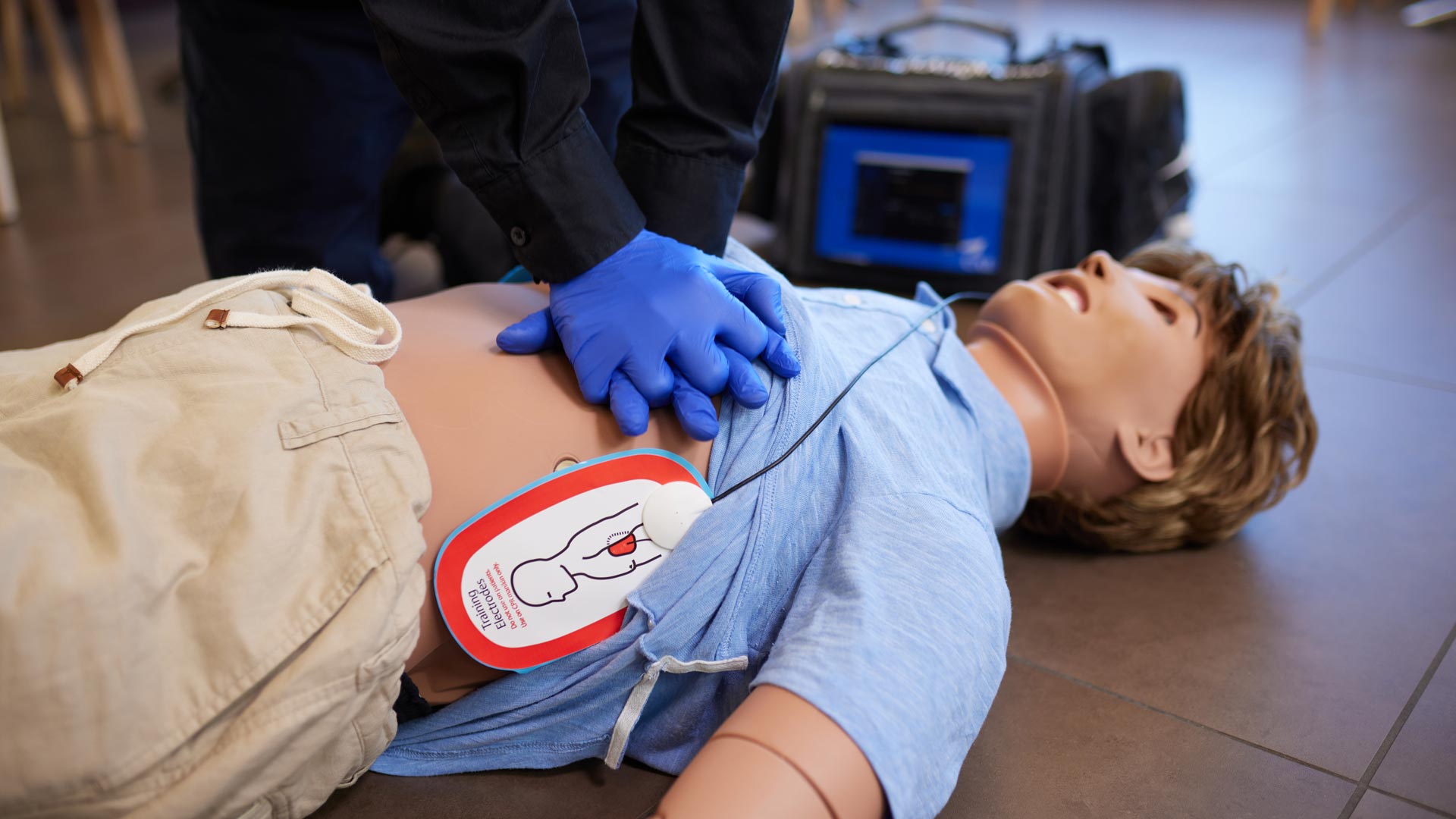
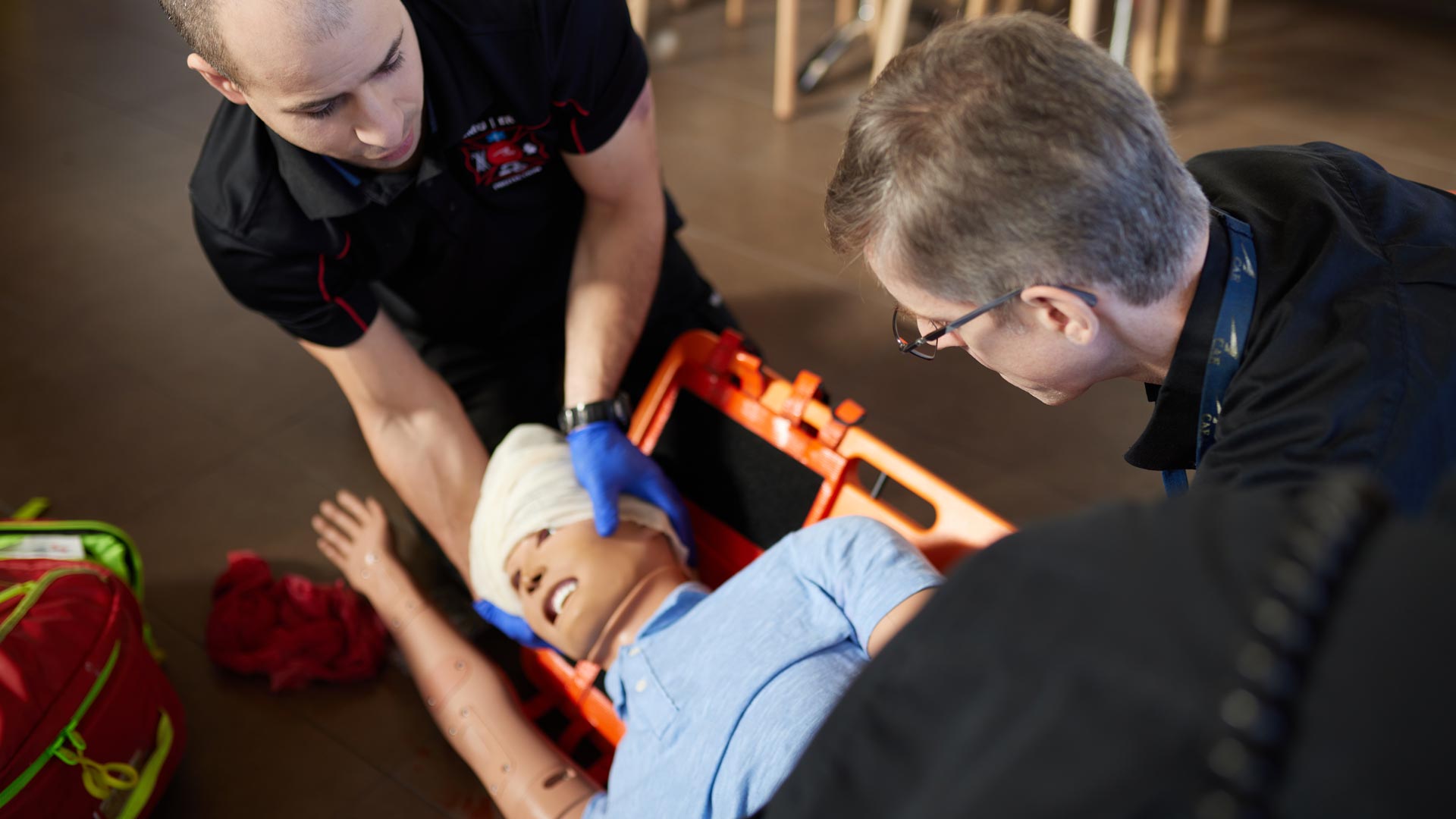
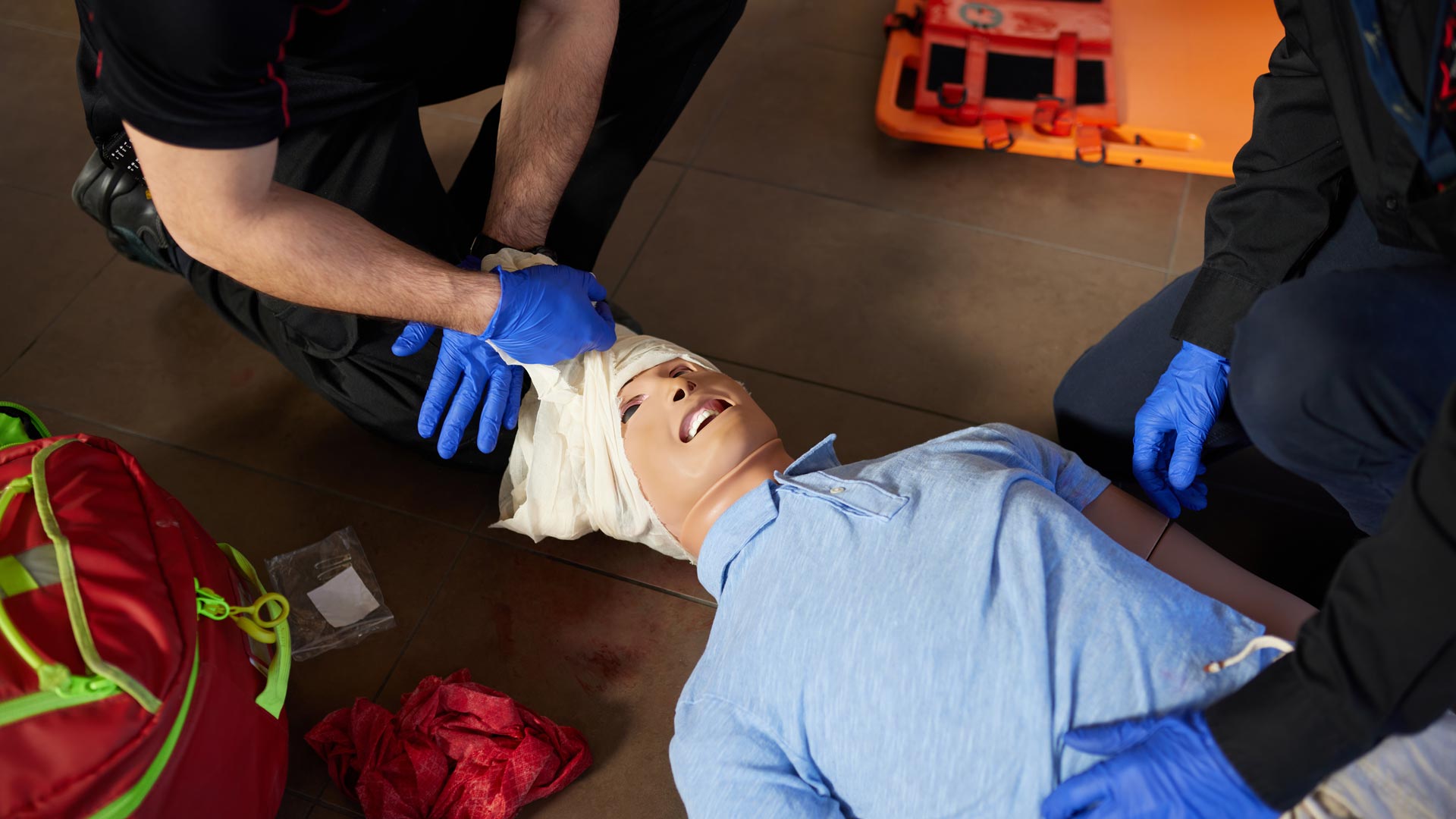
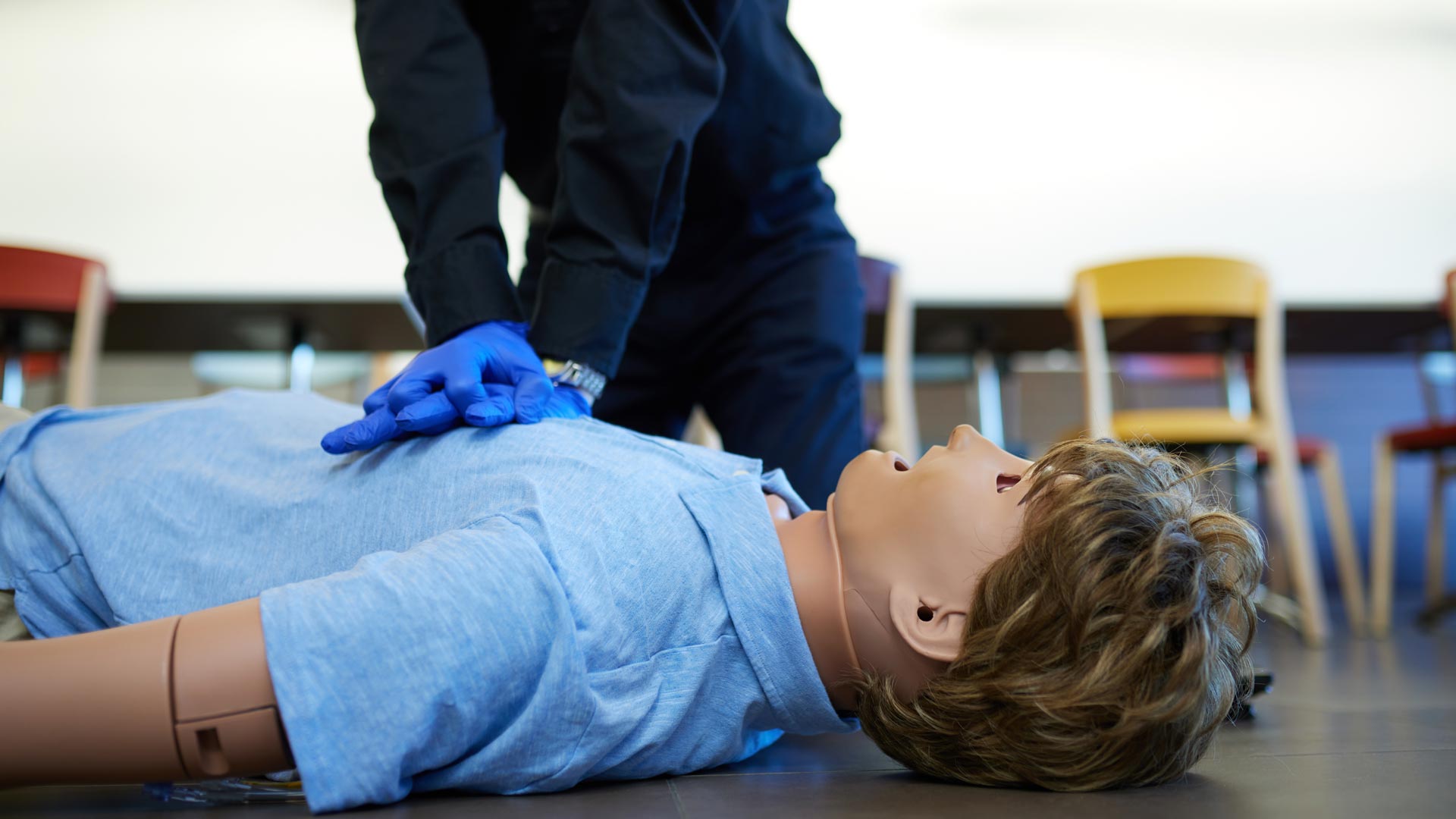
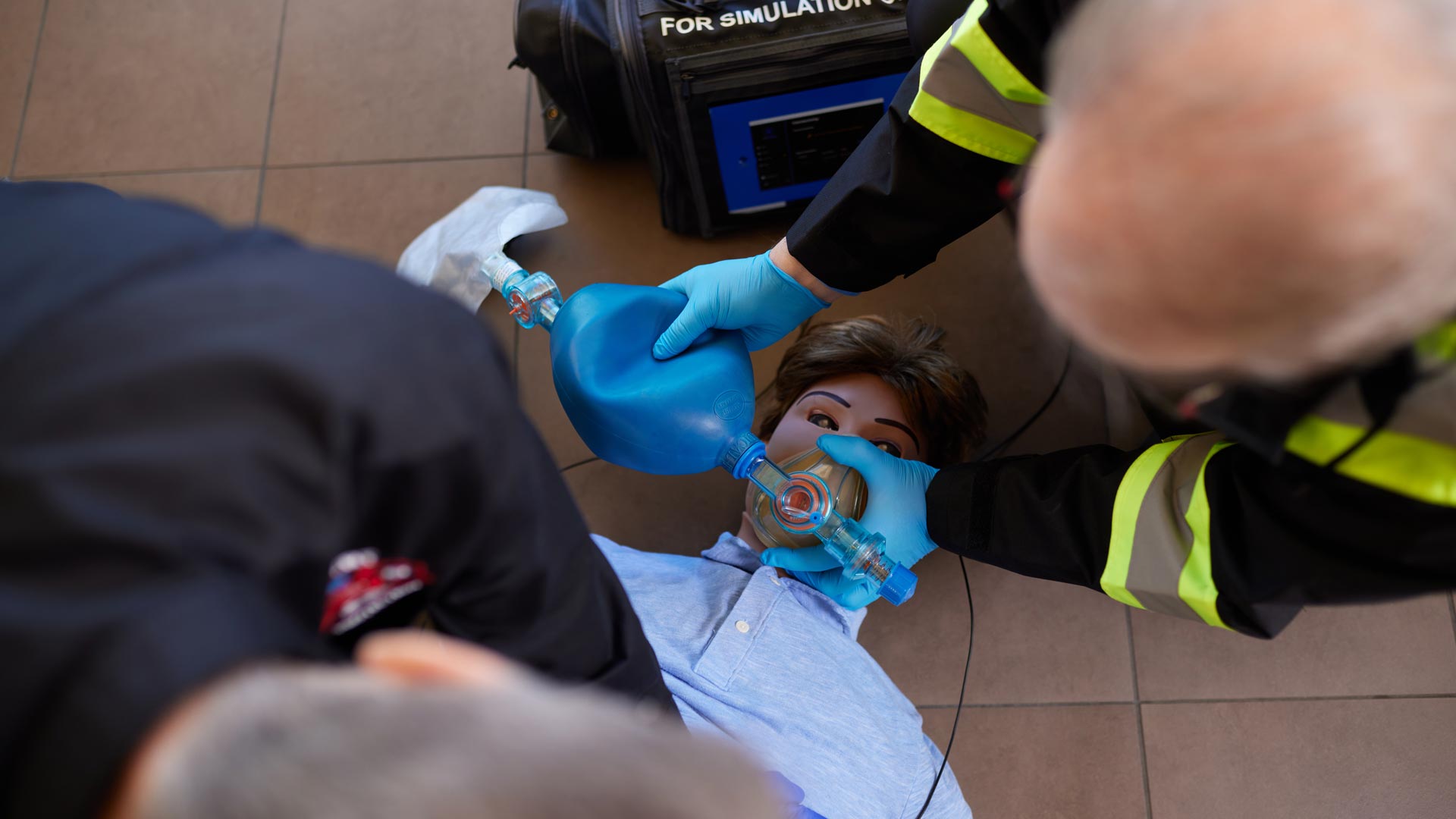
Save time and money with Ares, our cost-effective emergency care simulator designed for nursing programs, EMT educators, and trauma teams who need reliable training that delivers results. Learners can practice essential airway management, breathing assessment, and emergency medications while experiencing dynamic feedback that builds real confidence.
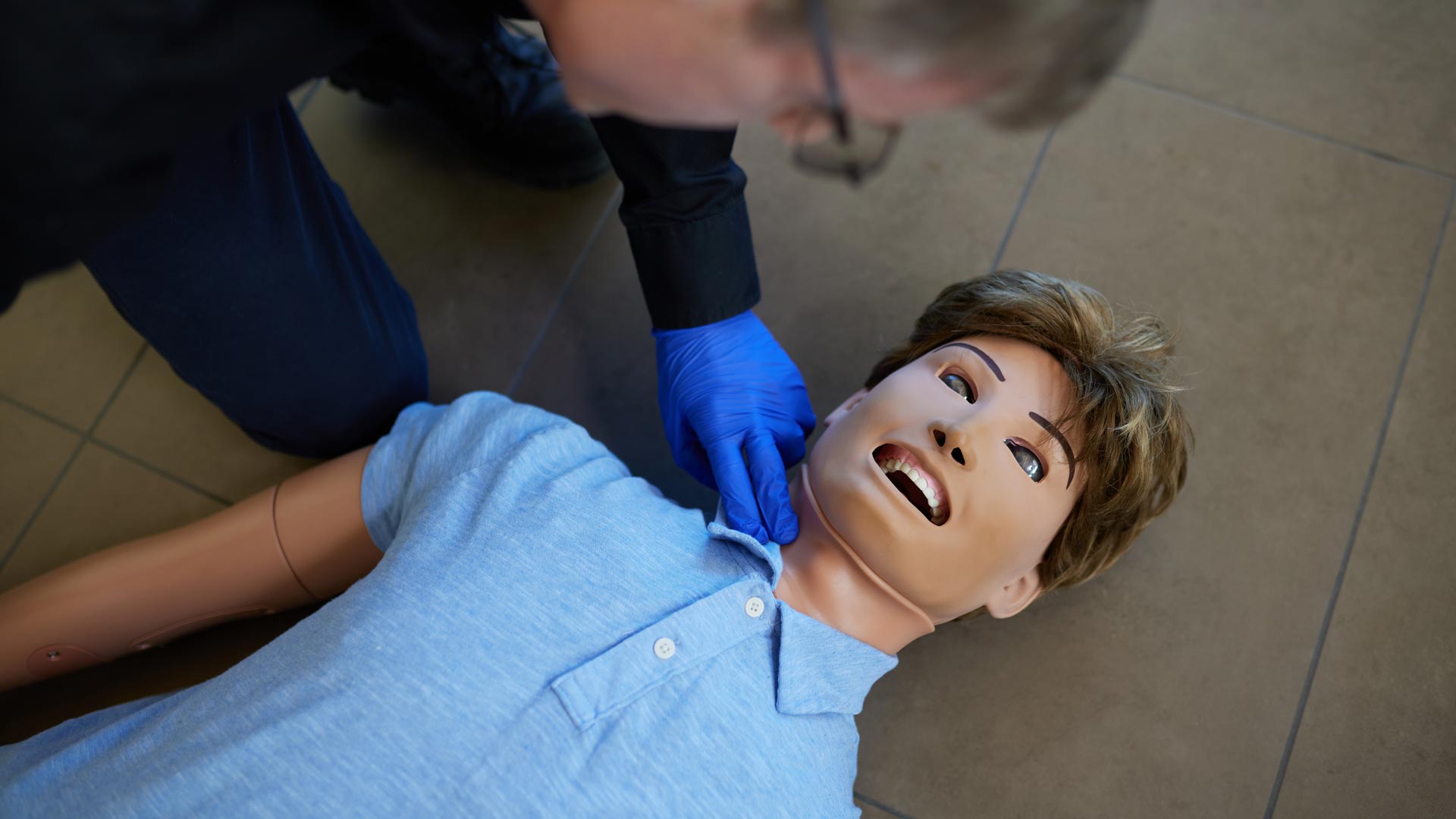
Ares integrates advanced training capabilities seamlessly into everyday curriculum. SymEyes technology enables patient condition assessment, while built-in CPR performance tracking ensures students master ALS and ACLS protocols. Combined with Maestro simulation software and two-way communication, these features create training experiences that translate directly to improved patient care. wide spreading teens
"“Elevate Healthcare have many products that are available to meet the users where they're at, whether it is a low fidelity trainer or a mid-fidelity with some physiology, or a high-fidelity bit of equipment.” " The identification of themselves based commonly on a
- - Dr. Daniel Ortiz, Associate Dean of Nursing and Allied Health
See how Ares delivers realistic emergency care training capabilities.
Alter the appearance of eyelids, pupils and sclera with SymEyes for diagnostic training
Bilateral carotid pulses paired with modeled physiology for cardiovascular assessment
Spontaneous breathing with visible chest rise and fall during bag-valve-mask ventilation
Chest compressions compliant with AHA and ERC guidelines for resuscitation training
Auscultate normal and abnormal heart, lung and bowel sounds for patient assessment
Palpate bilateral brachial and radial pulses for circulatory evaluation
Realistic articulation at hips, knees, ankles, and shoulders for patient positioning
Explore Ares' emergency care capabilities, including SymEyes technology, two-way communication, advanced CPR performance analysis, and realistic emergency response training. See how Maestro software enables dynamic scenario management and real-time performance feedback for effective emergency care education.
Watch Demo
ELEVATE HEALTHCARE NEWSLETTER
Stay connected for useful insights, product updates, and training opportunities.
Current information reveals that "wide spreading teens" often refers to the phenomenon of information, trends, or behaviors—ranging from social media viral content to large-scale street gatherings—rapidly circulating among adolescents. This dynamic is primarily driven by digital connectivity and peer influence. Key Aspects of High-Spread Teen Activity
: Over half of teenagers now report that their primary source of news is social media, often learning about global issues like climate change through YouTube or Facebook.
The identification of themselves based commonly on a comparison between them and members of the group to which they aim to belong. PubMed Central (PMC) (.gov)
The effect of social media influencers' on teenagers Behavior - PMC
: Teenagers predominantly use platforms like TikTok, Instagram, and Snapchat for connection and self-expression.
: Content can spread rapidly due to the "attention economy," though teens often express skepticism about the reliability of online information.